What the People Behind the Table Wish You Already Knew: Farmers Market Secrets from the Vendors Themselves
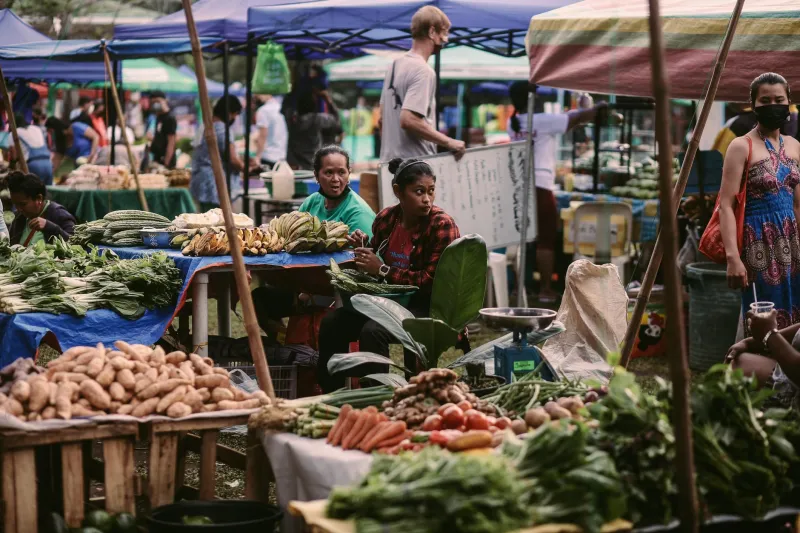
Every Saturday morning, across thousands of town squares, parking lots, and park paths in cities and small towns all over the country, something genuinely remarkable happens. Farmers, bakers, cheesemakers, and food artisans pack up their trucks, set up their tents, and spend the next several hours doing something most food businesses never do: talking directly to the people who eat their food.
It's one of the things that makes farmers markets so special. And yet, for all that face-to-face access, a surprising amount gets lost in translation. Vendors have things they want their customers to understand — about quality, seasonality, how to shop, and what questions actually matter. We asked them to share.
What follows is the kind of education you usually only get after years of regular market visits. Consider it your behind-the-counter orientation.
"Early Doesn't Always Mean Better — But It Depends What You're After"
There's a persistent belief among dedicated market shoppers that arriving first is everything. And for certain things — a popular baker's sourdough loaves or a specific cut of heritage pork — that's true. But vendors across categories will tell you that mid-morning is often the sweet spot for produce.
"By 9:30 or 10, I've had a chance to actually talk to people," says one small-farm vegetable grower who operates at a market in the mid-Atlantic region. "The rush has calmed down and I can tell you which tomatoes are at peak ripeness right now versus which ones need another day on your counter. Early shoppers sometimes grab things before I've even had a chance to sort them."
The lesson: if you're after bread, pastries, or a specific cut of meat, go early. If you want thoughtful produce guidance, give the vendor a few minutes to settle in first.
The "Locally Made" Label Deserves a Second Look
This one is a little uncomfortable, but vendors who care about their craft bring it up consistently: not everything at a farmers market is what it appears to be.
In many markets across the US, regulations vary widely about what vendors are permitted to sell. Some markets require that all products be made or grown by the vendor themselves. Others allow what's sometimes called "resellers" — vendors who purchase wholesale goods and repackage or present them as their own. A jar of jam at a market booth might be genuinely small-batch and house-made, or it might have come from a commercial co-packer with a custom label slapped on.
How do you tell the difference? Ask directly. A real maker will almost always have specific, detailed answers about their process — what fruit they used, where it came from, how long they cook their batches, what their pectin situation is. A reseller typically won't be able to go there.
"I've been making cheese for eleven years," says one artisan cheesemaker from a New England state. "I can tell you the name of every farm that supplies my milk, what the cows eat, and how it affects the flavor of my aged wheels. If someone at a market can't tell you that kind of thing about their product, that's a signal."
Seasonality Is Real, and It's Not Negotiable
One of the most common sources of mild frustration for farmers market vendors is customers who expect the market to operate like a grocery store — with the same products available week after week, year-round.
"I had someone ask me last February why I didn't have peaches," recalls a stone fruit farmer from the Southeast. "I had to explain that peaches are a summer crop and it was, in fact, February."
This sounds obvious, but it's easy to lose track of when you're used to supermarkets that import everything from somewhere warmer. The good news is that leaning into seasonality is actually one of the great pleasures of market shopping. Vendors are often eager to tell you what's coming next, what they're excited about, and how to make the most of what's available right now.
Ask your vendors: What's peaking this week? What should I be using before it's gone? You'll get better produce and a much more interesting conversation.
Don't Be Afraid to Sample — But Don't Make It Your Lunch
Sampling is a core part of the farmers market experience, and most vendors genuinely want you to try before you buy. But there's an unspoken etiquette that regular market-goers understand intuitively.
Samples exist to help you make a purchasing decision, not to constitute a free meal. Taking multiple samples without any intention to buy — especially at a small operation where margins are thin — is something vendors notice, even if they're too polite to say anything. Conversely, don't feel pressured to buy something just because you accepted a taste. A simple "thank you, I'm still deciding" is perfectly fine.
The vendors who offer samples most enthusiastically are often the ones most confident in their product. A cheesemaker who hands you a slice of their aged Gouda without hesitation knows it's going to speak for itself.
Heritage and Heirloom Actually Mean Something
You'll see these words a lot at farmers markets — heritage pork, heirloom tomatoes, heirloom grain flour. They're not just marketing language, but they can be used loosely, so it's worth understanding what they're supposed to mean.
For livestock, "heritage" refers to breeds that were common before industrial agriculture standardized production around a handful of fast-growing varieties. Heritage pigs like Berkshire, Ossabaw, and Red Wattle have more intramuscular fat and deeper flavor than commodity pork. Heritage chickens take longer to raise and cost more — which is exactly why they taste different.
For produce, "heirloom" generally means open-pollinated varieties that have been passed down over generations, selected for flavor rather than shelf life or uniform appearance. They may look odd. That's usually a good sign.
"People see an ugly tomato and hesitate," says one vegetable farmer from the Pacific Northwest. "But that knobby, striped, weirdly shaped tomato is going to taste like a tomato is supposed to taste. The perfect round ones were bred to survive a cross-country truck ride. That's not the same thing."
The Best Question You Can Ask Any Vendor
Vendors across every category — bakers, jam makers, farmers, cheesemakers — tend to light up when customers ask some version of the same question: What do you think I should do with this?
These are people who live and breathe their products. They have opinions. A cheesemaker knows exactly which of their wheels pairs best with fig jam and which one wants honey and walnuts. A vegetable farmer has a favorite way to prepare the kohlrabi that's been sitting in your hand for the last two minutes. A baker knows which loaf freezes well and which one should be eaten by tomorrow.
You're not just buying a product at a farmers market. You're buying access to someone's expertise. Use it.
A Few Practical Things Worth Knowing
- Bring cash, but don't assume it's required. Most vendors now accept cards or payment apps, but cash transactions are often faster and sometimes preferred.
- Bring your own bags. It's basic courtesy and most vendors appreciate not having to provide them.
- Don't squeeze or handle produce you're not planning to buy. It damages the product and frustrates farmers who've spent months growing it.
- If a vendor is mid-conversation with another customer, wait. That conversation is part of the service.
- Come back. Regular customers build relationships with vendors, and those relationships often come with early access, special requests, and the kind of personalized attention you simply cannot get anywhere else.
Farmers markets are one of the most direct connections most of us will ever have to the people who grow and make our food. The vendors behind those tables have chosen a harder path than selling wholesale to a distributor — because they believe in what they're making and want to put it directly into the hands of people who'll appreciate it.
The more you understand about how they work, what they're offering, and what they genuinely wish you'd ask, the richer that experience becomes — for you and for them.