Miso, Koji, and the Magic of Rot: How American Home Cooks Are Mastering Fermentation
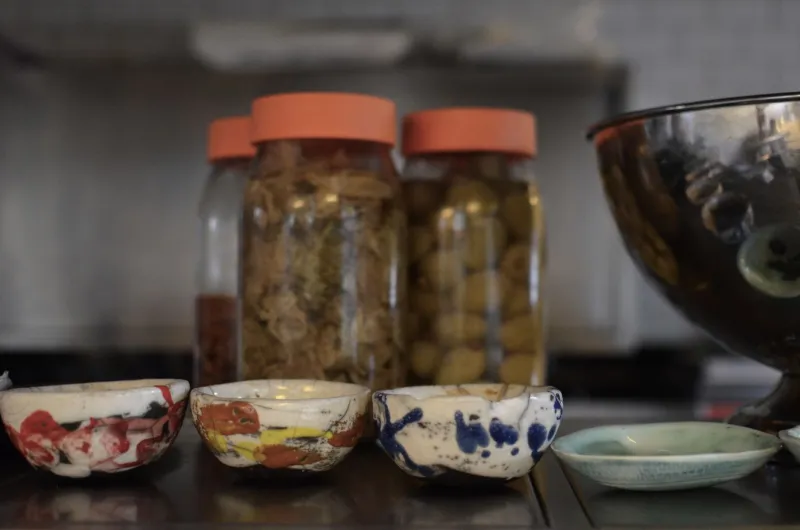
There's something almost counterintuitive about the idea of deliberately letting food decompose. And yet, across the country, a growing wave of home cooks is doing exactly that — and loving every minute of it. Crocks of miso are aging in basement corners in Vermont. Koji spores are inoculating rice in Portland kitchens. In a garage outside Nashville, someone is nurturing a batch of shio koji that'll eventually rub down a whole chicken. This is the fermentation renaissance, and it's deeply, deliciously American.
If you've been curious about this world but felt like it required a culinary degree or a trip to Japan to really understand, good news: it doesn't. The fermentation community is one of the most welcoming and genuinely excited subcultures in the food world right now — and the artisan producers who've made it their life's work are eager to bring you along.
What Is Fermentation, Really?
At its most basic, fermentation is transformation through microorganisms. Bacteria, yeasts, and molds break down sugars, proteins, and starches into entirely new compounds — ones with deeper flavor, better nutrition, and often a longer shelf life. You've been eating fermented foods your whole life: yogurt, cheese, wine, beer, pickles, soy sauce. The current wave of enthusiasm is just taking that ancient logic further, into territories most American home cooks haven't explored yet.
Koji — the mold Aspergillus oryzae — is probably the most talked-about frontier right now. It's the organism responsible for miso, sake, soy sauce, and mirin. When you grow koji on grains or proteins, it produces enzymes that do something remarkable: they break down complex molecules into glutamates and sugars, creating an almost preternatural depth of umami. Rub koji rice onto a steak and leave it in the fridge for a few days, and you end up with something that tastes like it's been dry-aged for weeks.
Miso, koji's most famous byproduct, is essentially fermented soybean paste — though it can be made with chickpeas, lentils, or even nuts. Long-aged misos develop incredible complexity, ranging from sweet and mild to deeply savory and funky. And here's the thing: you can make it at home, or you can buy it from a small American producer who cares about every single batch.
American Artisans Leading the Way
The story of American fermentation isn't just happening in home kitchens. A handful of small-batch producers across the country have built genuine businesses around these ancient techniques, and their products are worth seeking out.
South River Miso in Conway, Massachusetts has been making traditionally crafted, wood-fired miso since the 1970s. Their barley miso and chickpea miso are fermented in cedar vats for anywhere from one to three years — the kind of patience that big commercial producers simply can't afford. If you've never tasted long-aged American miso, it's a revelation: earthy, complex, and nothing like the mild stuff in most grocery stores.
Out in the Pacific Northwest, Shared Cultures (based in Oakland, California) is doing fascinating work with koji applications beyond miso — think koji-cultured hot sauces and inoculated grains designed specifically for home fermenters. Co-founders Jer Zdolsek and Sadie Scheffer have built a community around making koji approachable, offering online workshops and starter kits that take the mystery out of growing your first batch of mold.
In the Southeast, small producers like Proper Miso out of Asheville, North Carolina are putting a distinctly regional spin on fermentation, using local heirloom beans and regionally grown grains to make misos that taste unmistakably of their place. It's the same philosophy driving the craft beer and artisan cheese worlds: terroir matters, even in a crock of fermented paste.
Where to Source Starter Cultures and Ingredients
Getting started with fermentation doesn't require a specialty store down the street — the internet has made this world genuinely accessible. A few reliable places to look:
- GEM Cultures has been selling starter cultures for decades and carries koji spores, miso starters, and a wide range of fermentation supplies.
- Cultures for Health is a great entry point for beginners, with clear instructions and starter kits for everything from water kefir to miso.
- Smallhold and various farmers market vendors often sell fresh koji rice if you want to skip the spore-growing step and dive straight into cooking with it.
- For high-quality soybeans and heirloom grains suitable for miso-making, look to Rancho Gordo (for beans) and regional grain mills like Anson Mills in South Carolina.
If you want to taste before you commit to making, specialty grocers like Whole Foods, local co-ops, and online marketplaces carry products from many of the small-batch producers mentioned here. Start by tasting great miso, shio koji, or koji butter, and let the flavors do the convincing.
Why Bother? The Gourmet Case for Fermentation
Beyond the health claims you've probably heard — better gut health, improved bioavailability of nutrients, beneficial bacteria — there's a simpler, more immediate argument for fermented foods: they make everything taste better.
A spoonful of miso stirred into a butter pan sauce. Shio koji massaged into salmon before roasting. A smear of koji cream cheese on a bagel. These aren't exotic restaurant tricks anymore; they're the kind of pantry moves that home cooks are quietly using to cook food that tastes inexplicably, impressively good.
Fermentation also connects you to something larger — a tradition of preservation and transformation that humans have practiced across every culture for thousands of years. There's something grounding about that, especially in a food moment that can feel overwhelmingly trend-driven. Miso doesn't care about trends. It just quietly gets better with time.
Getting Started Without Getting Overwhelmed
If you're new to this world, don't start by trying to grow koji from scratch. Start by buying great fermented products from small American producers, learning what they taste like, and cooking with them regularly. Then, when curiosity strikes, pick up a beginner miso kit or try a batch of lacto-fermented vegetables — just salt, water, and whatever's coming out of the farmers market right now.
The fermentation community online is genuinely enthusiastic and helpful. Forums, subreddits, and Instagram accounts dedicated to koji and miso are full of people who started exactly where you are and are now aging chickpea miso in their hall closets with zero apologies.
This is one of those rare corners of food culture where the learning curve is actually part of the pleasure. The batches that don't quite work teach you something. The ones that do? They taste like something you made, which — after months of patient waiting — feels like a small miracle.
The fermentation renaissance isn't going anywhere. Might as well get a crock going.