Know Your Butcher: Why the Best Meat in America Isn't at the Supermarket
Know Your Butcher: Why the Best Meat in America Isn't at the Supermarket
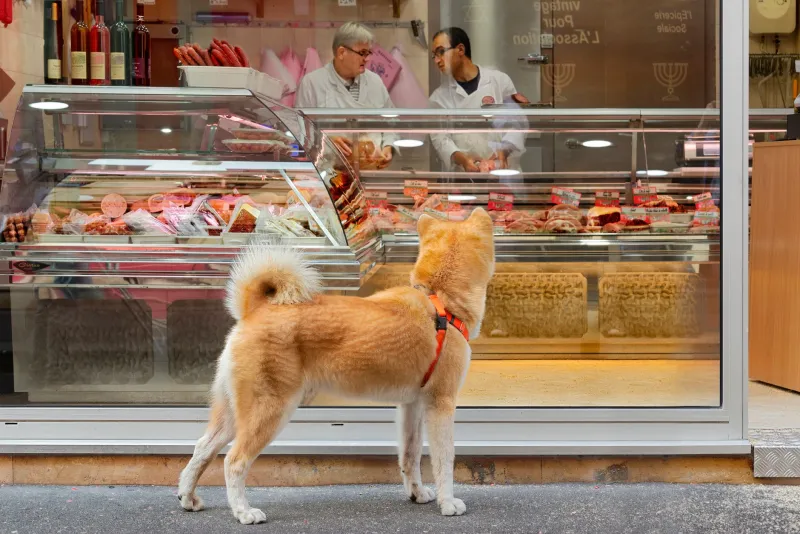
Walk into a good independent butcher shop and something shifts almost immediately. The cases look different — there's dry-aged beef with a deep mahogany crust, heritage pork with fat so white it almost glows, chickens that actually look like chickens. The person behind the counter knows where every cut came from and will happily tell you how to cook it. It feels less like a transaction and more like a conversation.
This is the experience that a growing number of American meat buyers are actively seeking out, often after one too many flavorless supermarket pork chops or a roast that shrank to nothing in the pan. The independent butcher and heritage farm movement isn't fringe anymore — it's a genuine shift in how thoughtful home cooks are thinking about meat.
What's Wrong with the Commodity System
To understand why people are seeking alternatives, it helps to understand what conventional meat production actually prioritizes. The commodity system is built around efficiency and uniformity. Animals are bred for fast growth and high yield, raised in concentrated operations, and processed at industrial scale. The result is meat that's consistent, affordable, and — let's be honest — often pretty bland.
Flavor in meat comes from several things: breed genetics, diet, how much the animal moved, and how long it's been aged after slaughter. The commodity system optimizes against most of these factors. Heritage breeds grow more slowly and are therefore less profitable. Pasture access costs more than confinement. Dry-aging takes time and loses weight, which cuts into margins.
Independent butchers and small farms make different trade-offs. They choose breeds and raising practices that prioritize flavor and animal welfare, which means higher prices — but also dramatically better eating.
Producers Worth Knowing
Across the country, a handful of farms and butcher operations are doing genuinely exceptional work. These are the kinds of places worth building a relationship with.
Porter Road in Nashville (with an online shop that ships nationwide) sources from small Kentucky and Tennessee farms raising heritage breeds on pasture. Their dry-aged beef and heritage pork are consistently excellent, and their online shop is one of the better examples of how direct-to-consumer meat can actually work — detailed sourcing information, butcher's notes on cuts, and real transparency about what you're buying.
On the West Coast, Belcampo built a reputation for vertically integrated, certified organic, pasture-raised meat before its retail operations shifted — a reminder that the landscape evolves, but the farms it worked with continue. Look for similar vertically integrated operations in your region: farms that raise, process, and sell their own product have the tightest control over quality.
In the Northeast, Fleisher's Craft Butchery (with locations in New York) has been a standard-bearer for the whole-animal, pasture-raised butchery movement for years. They work directly with farms they know personally, and their staff can tell you not just the farm name but the specific practices used. That's the baseline you should expect from a great butcher.
For beef specifically, look into operations raising heritage breeds like Wagyu crosses, Red Devon, or Piedmontese — breeds with distinct flavor profiles that supermarket beef simply can't replicate. Burgundy Pasture Beef in Texas and Primal Pastures in California are examples of farm-direct operations that ship and have devoted followings for good reason.
How to Find Your Local Butcher
Not everyone has a Fleisher's nearby, but independent butcher shops are making a comeback in cities and mid-sized towns across the country. A few ways to find them:
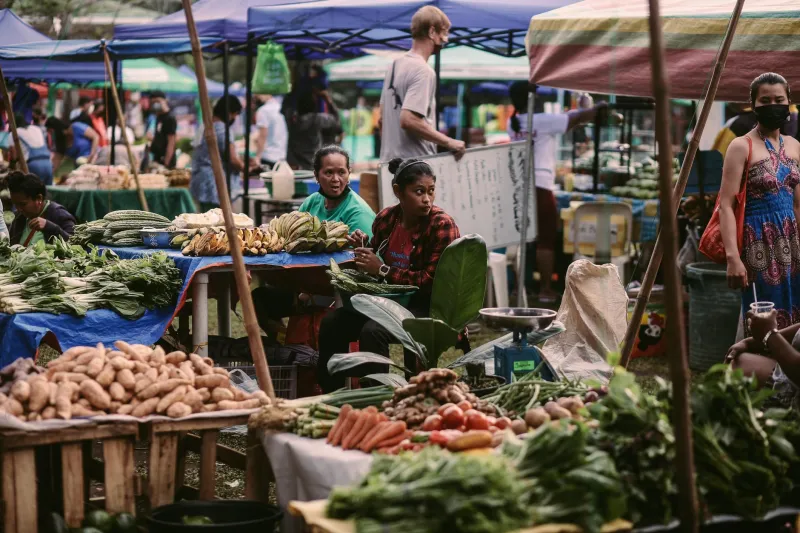
- Your farmers market is the obvious starting point. Farmers selling direct at market are often willing to take custom orders, discuss their practices in depth, and connect you with other local producers.
- Eatwild.com maintains a state-by-state directory of pasture-based farms that sell direct to consumers — it's one of the most useful resources in this space.
- Local Harvest similarly connects buyers with small farms and CSA-style meat shares.
- Ask at your local co-op or independent grocery. Staff there often know which local farms supply their meat department and can point you toward farms that sell direct.
Once you find a shop or farm you like, become a regular. This isn't just good for them — it's good for you. Butchers save the best cuts for customers they know. They'll call you when something special comes in. They'll tell you honestly when the ribeyes are exceptional and when you should try the chuck roast instead.
The Questions Worth Asking
Walking into a good butcher shop and not knowing what to ask is a missed opportunity. Here are the questions that separate a good shop from a great one:
- What farm did this come from? A great butcher should be able to answer this without hesitation.
- What breed is this? Especially relevant for pork and beef — breed affects flavor significantly.
- How was it raised? Pasture-raised, grass-fed, grain-finished — these terms mean different things, and a knowledgeable butcher will explain the specifics.
- How long has it been aged? Dry-aging concentrates flavor and tenderizes; even a few weeks makes a noticeable difference.
- What would you do with this cut? This is the question that unlocks the real value of a butcher relationship. They cook this stuff. They know.
If a butcher can't or won't answer these questions, that tells you something too.
Why Occasional Investment Beats Everyday Compromise
One of the most common objections to heritage and pasture-raised meat is cost. It's a fair point — a heritage pork chop from a small farm costs more than a commodity one. But there's a reframe worth considering: you don't have to eat premium meat every night to eat well.
Buying a smaller amount of genuinely excellent meat — a single beautiful bone-in ribeye, a heritage chicken that actually tastes like chicken — and cooking it with care is a more satisfying experience than eating mediocre protein five nights a week. Many butchers and farms sell less glamorous cuts (shanks, shoulders, offal, bones for stock) at prices that are genuinely accessible, and those cuts often yield the most flavorful cooking anyway.
A well-sourced pork shoulder braised low and slow on a Sunday afternoon, served to people you like — that's the kind of meal that doesn't need a steakhouse to feel special. It just needs good meat and someone who knew where it came from.
That's the whole argument, really. Know your butcher. Know your farm. Cook with intention. The supermarket will always be there for paper towels and olive oil. Your meat deserves better.