Grown Here, Steeped Here: The American Tea Makers Proving This Country Can Grow Something Worth Drinking
America is not supposed to be a tea country. That's the received wisdom, anyway — the assumption baked into every grocery store aisle, every gas station impulse buy, every box of 100 individually wrapped bags that tastes more or less the same regardless of what country is printed on the label. Tea comes from China. From India. From Kenya and Sri Lanka and Japan. Not from here.
Except it does. And the people growing and blending it are doing something genuinely worth paying attention to.
Across a handful of unlikely American landscapes — the humid foothills of the Carolinas, the volcanic slopes of Hawaii's Big Island, the misty corners of the Pacific Northwest — a small but serious community of tea growers is tending Camellia sinensis, the plant behind every true cup of tea, and asking what it tastes like when you grow it here. The answers are surprising, and they're starting to attract the kind of attention that craft coffee and artisan cheese have been getting for years.
Why American Tea Exists at All
The conditions that make tea viable — consistent warmth, high humidity, slightly acidic soil, and plenty of rainfall — are rarer in the continental United States than in traditional growing regions. But they're not absent.
The South Carolina Lowcountry has been quietly connected to tea history for longer than most people realize. The Charleston Tea Garden on Wadmalaw Island is the oldest operating tea garden in the country, established in the 1960s on land where tea cultivation experiments date back to the 1800s. It's not a boutique operation — it produces American Classic Tea at commercial scale — but it proved the concept works.
The more interesting story is happening at smaller scales. The Great Mississippi Tea Company in Brookhaven, Mississippi. The Minto Island Tea Company in Oregon. The Hawaii-based Mauna Kea Tea, farming on volcanic slopes at elevation. These are small, often family-run operations that are figuring out American terroir in real time, with no established playbook to follow.
What they're discovering is that American-grown tea has its own character. It tends to be less astringent than many Chinese or Indian varieties. Some growers describe a sweetness that comes through without any processing intervention. Others are finding that the microclimates on their specific parcels produce something genuinely distinct from season to season — which is, essentially, the definition of terroir.
The Craft Blenders Who Are Changing the Conversation
Growing tea in America is hard, land-intensive work with a long runway before a plant is mature enough to harvest meaningfully. So while domestic cultivation is growing, a parallel and equally interesting movement is happening among craft blenders — people who source high-quality teas from around the world and blend them with intention, often incorporating American-grown botanicals, herbs, and ingredients that give their products a genuinely regional identity.
This is not the same as buying generic tea and throwing lavender in it. The best craft blenders are doing what good coffee roasters do: sourcing transparently, building relationships with growers, and making deliberate decisions about how origin characteristics interact with whatever they're adding.
Something like Smith Teamaker out of Portland, Oregon has built a devoted following by treating tea with the same seriousness that Portland applies to coffee and wine. Their blends are thoughtfully constructed, clearly sourced, and available in formats that actually help you understand what you're drinking. Rishi Tea out of Milwaukee takes a similar approach, with direct sourcing relationships in Japan, China, and beyond, and blends that showcase rather than obscure origin.
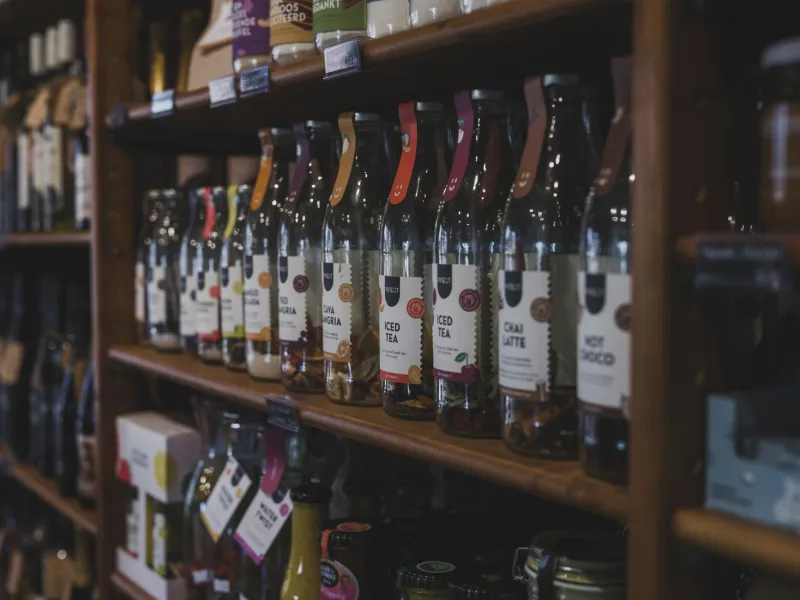
Smaller, regional blenders are even more interesting to seek out. Many of them are showing up at farmers markets, specialty food shops, and artisan food festivals — exactly the kind of places where you'd expect to find a great small-batch hot sauce or a local honey producer.
How to Think About What You're Buying
Navigating the tea market as a discerning buyer requires a slightly different skill set than buying, say, coffee or cheese, because the category is so enormous and so varied. A few principles help.
First, pay attention to sourcing language. Producers who name the specific estate, region, or harvest season from which their tea came are giving you something valuable — both in terms of flavor traceability and as a signal that they care about quality. "Premium blend" tells you nothing. "First flush Darjeeling from Makaibari Estate" tells you a lot.
Second, think about freshness. Loose-leaf tea stored properly has a shelf life of one to two years, but the best teas are noticeably more vibrant when consumed closer to harvest. Some specialty retailers and direct-from-producer operations sell by harvest date, which is worth looking for.
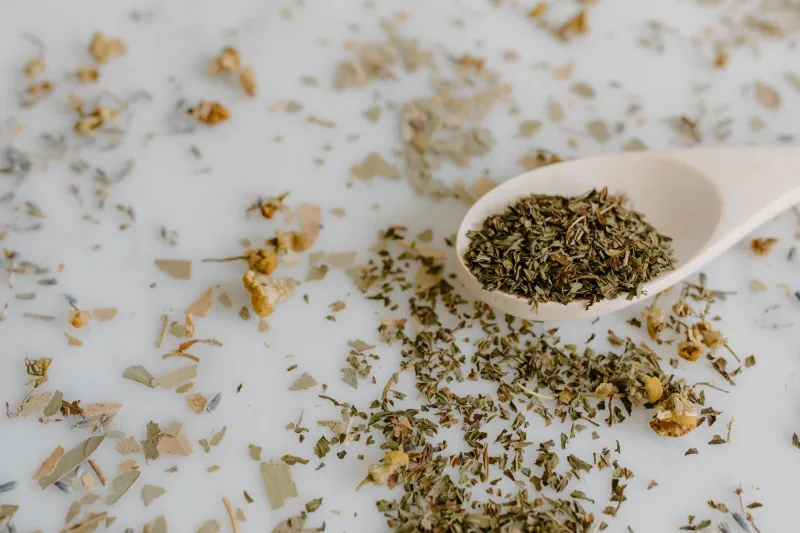
Third, format matters. Whole-leaf teas — whether sold loose or in spacious pyramid sachets — give the leaves room to expand and release flavor fully. Standard flat tea bags crush the leaf into dust-sized particles called fannings, which brew fast but lose most of the complexity that made the original tea interesting. If you're going to spend money on quality tea, brew it in a way that lets it actually express itself.
Finding American Tea Makers Near You
The easiest entry point is often a specialty tea shop or well-curated gourmet grocery. Staff who know their inventory can point you toward domestic growers and craft blenders worth trying. Farmers markets in tea-friendly climates — the Southeast, the Pacific Northwest, Hawaii — sometimes feature local producers directly.
Online is where the selection really opens up. Most small domestic tea farms sell direct-to-consumer, and buying from them directly means you're getting the freshest possible product and supporting an operation that's doing something genuinely unusual. The Great Mississippi Tea Company, Minto Island, and Mauna Kea all sell online. So does a growing list of craft blenders who are worth exploring if you search for American specialty tea.
The category is small enough that you can realistically get to know these makers by name — the way you might know your local cheesemaker or the roaster whose coffee you've subscribed to. That kind of connection changes how you experience the product. Suddenly the cup in your hands has a story, a geography, a person behind it.
That's exactly what good food is supposed to feel like. Turns out tea can get there too.