Pawpaws, Sunchokes, and the Forgotten Larder: Rediscovering America's Lost Produce
There's a fruit that grows wild across 26 states, tastes like a cross between a mango and a banana, and has been eaten on this continent for thousands of years. It was reportedly a favorite of George Washington. Lewis and Clark survived on it during portions of their expedition. And yet there's a very good chance you've never tasted one — or even seen one outside of a specialty farm stand.
The pawpaw's near-disappearance from American kitchens isn't a mystery. It bruises easily, ripens fast, and ships terribly — three qualities that made it incompatible with the industrial food system that reshaped American eating over the 20th century. The grocery store couldn't handle it, so it disappeared from most people's awareness entirely.
But the pawpaw never actually went away. And neither did dozens of other extraordinary native and regional ingredients that the modern food system quietly sidelined. Right now, small farmers and dedicated growers are bringing them back — and if you've been paying attention at your local farmers market, you may have already noticed.
How We Got Here
The American produce aisle is, in many ways, a monument to logistics. The fruits and vegetables that dominate it were selected not for flavor or nutritional complexity but for their ability to survive long-distance shipping, look uniform on a shelf, and maintain a consistent appearance for days or weeks after harvest. That selection pressure, applied relentlessly over generations, gave us the hard, flavorless tomato and the mealy supermarket peach.
What it eliminated was almost everything else. Hundreds of regional produce varieties — fruits, vegetables, and roots that had been grown, traded, and cooked with for centuries — simply stopped being economically viable to grow commercially. They didn't disappear from the land entirely, but they disappeared from the market, which meant they disappeared from most kitchens.
"There's this assumption that the produce we have now is just what exists," says one Ohio farmer who has spent the last decade growing pawpaws, ground cherries, and other heritage varieties on a small diversified farm outside Columbus. "But what we have now is what survived a very specific set of industrial filters. The stuff that didn't make it through those filters is often more interesting — and sometimes just flat-out better."
The Comeback Roster
Not every forgotten ingredient deserves a full rehabilitation — some things fell out of use for good reasons. But a remarkable number of them are genuinely extraordinary, and the farmers bringing them back are doing real culinary service.
Pawpaws are perhaps the most exciting native fruit most Americans have never eaten. Creamy, tropical-tasting, and intensely aromatic, they're unlike anything else in the North American produce canon. They're deeply seasonal — typically available for just a few weeks in late summer and early fall — and almost exclusively available through small farms and farmers markets. If you see them, buy them immediately. Eat them out of hand, blend them into a smoothie, or use the pulp in a custard or ice cream. They don't need much help.
Ground cherries (also called husk cherries or cape gooseberries) are small, papery-husked fruits with a flavor that lands somewhere between a tomato and a vanilla pineapple. They're extraordinarily versatile — eat them raw, roast them, make a salsa, fold them into a jam. They've been grown in American gardens for centuries and are experiencing a genuine revival among small vegetable farmers who appreciate how easy they are to grow and how enthusiastically customers respond to them.
Sunchokes (Jerusalem artichokes) are knobby, ugly, and absolutely delicious. A native North American tuber with no relation to either Jerusalem or artichokes, they have a sweet, nutty flavor that's genuinely unlike anything else in the root vegetable category. Roast them until caramelized, slice them thin and eat them raw in a salad, or make a silky pureed soup. One caveat: start with a small portion until you know how your digestive system responds. The sunchoke has a well-earned reputation for causing gastric excitement in the uninitiated.
Ramps have graduated from obscurity to near-trendiness in recent years, which is great for awareness but has created real sustainability concerns around wild harvesting. The good news: a growing number of small farmers are now cultivating ramps rather than foraging them, making them available in a way that doesn't stress wild populations. Their intensely garlicky, oniony flavor is exceptional in everything from scrambled eggs to compound butter to quick pickles.
Sumac berries — the tart, deeply red berries of native North American sumac species — have a long history in Indigenous cooking and are still used in Middle Eastern cuisines, but they've largely vanished from mainstream American kitchens. The dried, ground spice has a bright, lemony tartness that's extraordinary as a finishing element on hummus, grilled meats, or roasted vegetables. A handful of small American producers are now growing and drying domestic sumac, which tends to have a slightly different flavor profile than imported versions.
Quince is one of those fruits that used to be common in American home kitchens and farmsteads — it was a fixture in 19th-century American cooking — and has since become nearly invisible. Hard and astringent when raw, quince transforms when cooked, developing a deep rose color and an extraordinary floral, honeyed flavor. It makes exceptional jam, pairs beautifully with pork and lamb, and baked into a tart is one of the more underrated dessert experiences available.
Finding These Ingredients
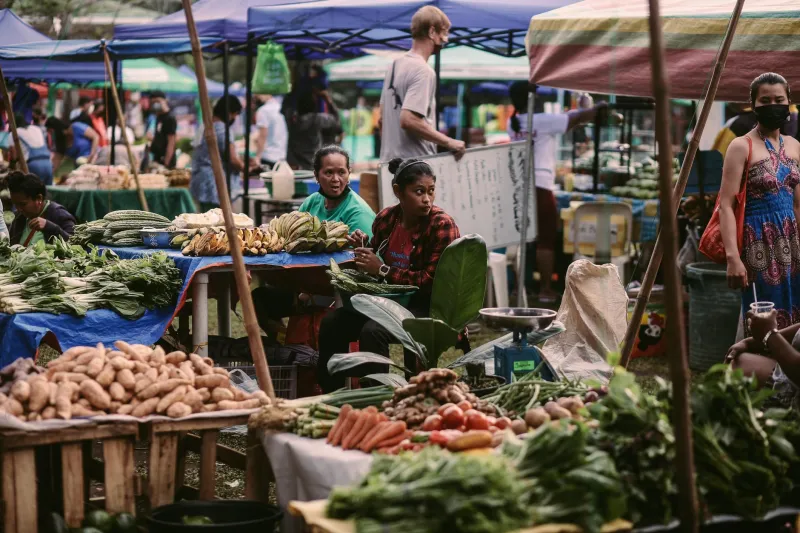
The farmers market is your most reliable access point for most of these ingredients. Specialty produce vendors and small diversified farms are far more likely to grow unusual varieties than commodity producers, and the face-to-face nature of the market means you can ask directly about what's coming, when it'll be available, and how to use it.
For pawpaws specifically, the Ohio Pawpaw Festival in Albany, Ohio is a genuine annual event worth knowing about — it's become a gathering point for pawpaw enthusiasts and growers from across the region. Many pawpaw farmers also sell through regional CSA programs or small online storefronts.
For dried and shelf-stable products like sumac and dried ground cherries, a growing number of small American producers sell directly through their own sites or through specialty food retailers.
Why It Matters Beyond the Plate
Rediscovering these ingredients isn't just a cooking adventure, though it absolutely is that. It's also a small act of support for the farmers who are taking real economic risks to grow things that don't fit neatly into conventional market channels. It's a way of voting for agricultural biodiversity — for a food system that values variety and regional character over uniformity and shelf life.
Every pawpaw you buy from a small farm makes it a little more viable for that farmer to keep growing pawpaws. Every bunch of ramps, every bag of ground cherries, every quince purchased at a market or directly from a grower is a signal that there's a market for this kind of diversity.
And honestly? These things taste incredible. That's the easiest argument of all.