Beyond the Garnish: How Edible Flowers and Uncommon Botanicals Became Serious Pantry Players
Somewhere along the way, edible flowers got a reputation problem. They became shorthand for a certain kind of restaurant excess — the sprig of something purple balanced on top of a foam, signaling sophistication without actually contributing much to the dish. Which is a shame, because the flowers themselves are often genuinely delicious. The problem was never the ingredients. It was how they were being used.
That's starting to change. A growing community of small farmers, foragers, and artisan producers is approaching edible botanicals with a different philosophy — one that treats flavor as the point, not the afterthought. And the home cooks paying attention are discovering that a well-sourced nasturtium or a jar of dried chamomile flowers can do things to a dish that no spice rack staple quite replicates.
What We're Actually Talking About
The category is broader than it might sound. "Edible botanicals" covers a lot of ground: fresh-cut edible flowers like nasturtiums, violas, calendula, and borage; dried flower petals used in teas, syrups, and baked goods; microgreens and specialty shoots grown for flavor as much as aesthetics; and less familiar items like dried hibiscus, rose petals, lavender buds, and elderflower — all of which have robust culinary traditions in various parts of the world and are now being grown and processed by American producers with serious intent.
Each of these has a distinct flavor profile. Nasturtiums taste peppery, almost like watercress, with a brightness that works beautifully in salads and on grain bowls. Calendula petals are mildly bitter and slightly resinous — excellent in herb butters or infused into oils. Borage flowers have a surprising cucumber-like coolness. Dried hibiscus is tart and cranberry-adjacent, excellent in shrubs, vinaigrettes, and braising liquids. Lavender, used with restraint, adds a floral-herbal note to baked goods, cream sauces, and cocktail syrups that nothing else quite duplicates.
The point isn't that these are exotic. It's that they're genuinely flavored, and that flavor has been largely ignored.
The Farmers and Foragers Growing This Market
The people producing high-quality edible botanicals for the gourmet market tend to operate at a small scale, and for good reason. Fresh edible flowers are highly perishable and require careful handling. Growing them for culinary use — as opposed to ornamental use — means selecting varieties for flavor and ensuring they're grown without pesticides, which rules out most conventional flower farming.
Small specialty farms have stepped into this space in interesting ways. In California's Central Coast region, farms growing edible flowers for restaurant chefs have started offering direct sales and farmers market appearances, bringing products that were previously only accessible to professional kitchens into home cooks' reach. In the Pacific Northwest, foragers are harvesting wild botanicals — elderflower, rose hips, wood sorrel — and working with small producers to dry, preserve, and package them for retail sale.
The dried botanical market has grown particularly quickly, partly driven by the explosion of interest in craft cocktails and herbal teas. Producers like Burlap & Barrel (better known for spices) have expanded into dried botanicals, and a number of small farms now sell directly through their websites or at specialty markets. Diaspora Co., Oaktown Spice Shop, and similar operations have helped normalize the idea of buying single-origin, thoughtfully sourced plant ingredients — and edible flowers fit naturally into that sensibility.
Microgreens: The Flavor-Forward Side of the Trend
Microgreens deserve their own moment here, because they've evolved well beyond the generic "microgreen mix" that became a restaurant cliché. Small growers are now cultivating specific varieties for specific flavor profiles: amaranth microgreens with a mild beet-like earthiness, sunflower shoots with a nutty richness, shiso microgreens with the full aromatic punch of mature shiso leaves, and mustard microgreens that deliver real heat.
These aren't garnishes. They're condiments. A handful of spicy radish microgreens on a bowl of miso soup adds something. Sunflower shoots on a grain salad contribute texture and flavor in a way that a piece of lettuce doesn't. Pea shoots stir-fried briefly in butter are a side dish.
Local farms that specialize in microgreens often sell at farmers markets or through CSA-style subscriptions, delivering weekly to customers in their area. Because microgreens are grown indoors and harvested young, they're available year-round in most climates — making them one of the more practical specialty ingredients in this category.
How to Source, Store, and Use Them
For fresh edible flowers, the farmers market is your best option. Buy from growers who can confirm their flowers are grown without pesticides — this matters more than it does with most produce, since you're often eating the whole flower without cooking it. Use fresh flowers within a day or two of purchase, stored loosely in a damp paper towel in the refrigerator. Rinse gently just before using.
For dried botanicals, quality varies enormously. The best dried flowers — hibiscus, rose petals, lavender, chamomile — should have vivid color and a strong, clean aroma. Faded, dusty-smelling dried flowers are old and will contribute little. Buy from specialty spice shops or directly from small producers, and store in airtight containers away from light and heat.
A few practical starting points for cooking:
Hibiscus makes an outstanding shrub (combine with apple cider vinegar and honey, let steep, strain) that works in cocktails, sparkling water, and vinaigrettes. It also braises beautifully with pork or duck.
Lavender should be used in very small quantities — a quarter teaspoon of dried buds is often enough for a batch of shortbread or a simple syrup. Too much and it tastes like soap.
Calendula petals can be added to rice as it cooks for a subtle flavor and a golden color reminiscent of saffron. They're also excellent in herb butters.
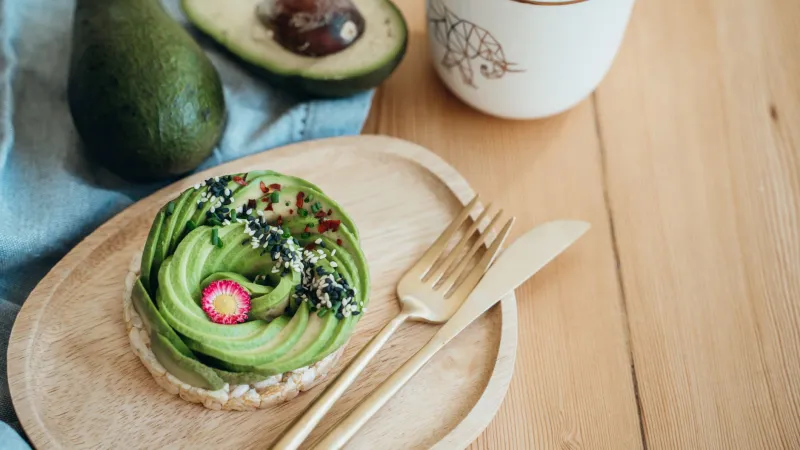
Nasturtiums — both flowers and leaves — are perhaps the most immediately useful fresh edible flower for home cooks. Toss them into salads, use them to top avocado toast, or stuff them with soft cheese for an easy appetizer.
Elderflower in syrup form (St-Germain is the widely available version, but small-batch domestic syrups are worth seeking out) adds a honeyed floral note to desserts, cocktails, and even salad dressings.
The Bigger Shift
What's happening with edible botanicals is part of a broader recalibration in how American home cooks think about flavor. The pantry has gotten more interesting. People are more willing to work with unfamiliar ingredients, more curious about where things come from, and more interested in the story behind what they're cooking with.
Flowers and botanicals fit that moment perfectly. They're visually arresting, they carry genuine flavor, and the producers growing them are almost invariably people worth knowing — small-scale, passionate, and working in ways that are good for the land. That's a combination worth building a dinner around.