Green, Complicated, and Finally Getting Its Due: How Craft Producers Are Rethinking the Avocado
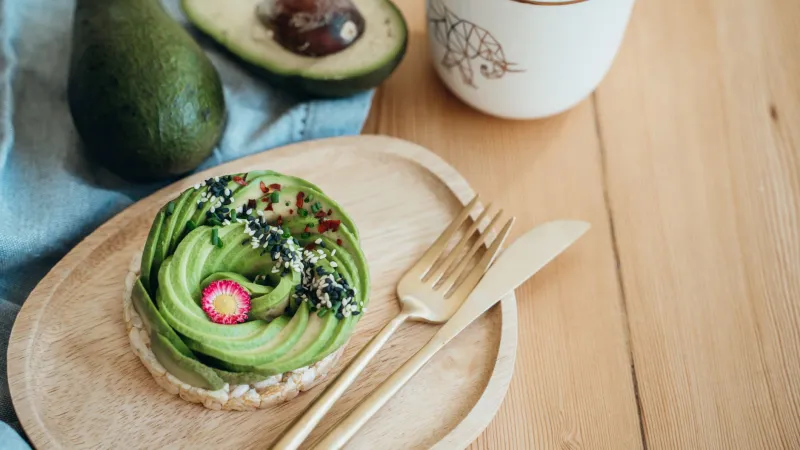
For a fruit that's become genuinely iconic in American food culture, the avocado has a surprisingly bad reputation among serious cooks. Not because it tastes bad — obviously it doesn't — but because somewhere between the brunch boom and the guacamole upsell, it stopped being something people thought about carefully. It became wallpaper. Delicious, creamy, slightly expensive wallpaper.
That's starting to change. A small but committed group of producers across California, Texas, and Florida are doing with avocados what craft makers have already done with olive oil, honey, and butter: slowing down, paying attention to sourcing, and turning out products that actually taste like something specific. Not just "avocado flavor," but this avocado, grown this way, handled with care.
It's a harder category to crack than most. But the people trying are worth knowing.
Why Avocado Got Stuck in Commodity Mode
To understand what these producers are pushing against, it helps to understand just how thoroughly the avocado became a volume crop. The U.S. imports the vast majority of its avocados from Mexico — particularly from Michoacán — and the supply chain is enormous, fast-moving, and almost entirely optimized for uniformity and shelf life rather than flavor. The Hass variety dominates so completely that most Americans have never tasted anything else.
That monoculture mentality trickled into processed avocado products too. Grocery store guacamole tends to be stabilized, over-seasoned, and designed to taste the same in January as it does in August. Commercial avocado oils — the ones that have flooded kitchen stores over the past few years — are frequently mislabeled, adulterated, or made from overripe fruit, according to a widely cited UC Davis study. The category, in short, has a trust problem.
Which is exactly the opening that craft producers have been quietly walking through.
Small-Batch Guacamole That Actually Has a Season
One of the more interesting things happening in this space is the emergence of producers treating guacamole the way good jam makers treat fruit: as something seasonal, regional, and worth preserving with intention.
A handful of small operations — mostly based in Southern California and Texas — are making fresh, minimally stabilized guacamole using fruit from specific farms, often Hass but sometimes lesser-known varieties like Lamb Hass or Reed, which have their own flavor profiles. Reed avocados, for instance, are larger, rounder, and tend toward a buttery, almost nutty richness that's noticeably different from the grassy brightness of a standard Hass. Producers working with them often describe the experience of tasting one as a small revelation.
These aren't shelf-stable products. They're cold-packed, sold with short windows, and sometimes available only through farm-direct subscriptions or at farmers markets. That limited availability is a feature, not a bug — it's the whole point. You're buying into a season, not a formula.
Avocado Oil With Something to Say
The oil side of this conversation might actually be more consequential for everyday home cooks, because avocado oil has quietly become a pantry staple for people who want a neutral, high-smoke-point fat that isn't canola. The problem is that most of what's on store shelves is, to put it charitably, not what it claims to be.
Craft producers are filling that gap with cold-pressed, single-origin avocado oils that function more like extra-virgin olive oil in terms of how you're supposed to think about them. Some California producers are now releasing oils with harvest dates, variety notes, and flavor descriptors — grassy, peppery, mild, rich — that give buyers real information to work with.
The flavor differences are genuine. Oil pressed from fruit grown in cooler coastal climates tends to be more delicate and herbaceous. Fruit from hotter inland valleys can produce oil with more depth and a slightly more pronounced finish. Whether that level of nuance matters to you probably depends on how you're using it — but for finishing dishes, dressings, or drizzling over something you actually want to taste, it makes a difference.
A few producers are also experimenting with fermented avocado oil, a process that involves allowing the fruit to undergo a short, controlled fermentation before pressing. The result is an oil with more complexity — a little funkier, a little richer — that some chefs have started reaching for the way they'd reach for a good aged vinegar.
The Sourcing Question Nobody Was Asking
Here's where the avocado gets genuinely complicated, and where craft producers are doing some of the most interesting work: sustainability and sourcing transparency.
Avocado farming, particularly at industrial scale, carries real environmental baggage — significant water usage, deforestation concerns in parts of Mexico, and supply chain issues that have drawn scrutiny from food journalists and activists alike. For a consumer base that increasingly cares about where their olive oil comes from and whether their honey is raw and local, the avocado has been a strange blind spot.
Small domestic producers — especially those farming in California, where water accountability is a live issue — are starting to lean into that conversation rather than avoid it. Some are publishing water usage data. Others are partnering with regenerative agriculture certifiers or working toward organic status. A few are making their grower relationships explicit in the way that good coffee roasters have done for years: here's the farm, here's the farmer, here's why it matters.
This isn't greenwashing territory, at least not for the producers doing it earnestly. It's the same logic that turned craft olive oil into a category people actually read labels in. Once you know what to look for, you can't un-know it.
How to Actually Find This Stuff
Fair warning: this category is still small, and distribution is patchy. Your local Whole Foods probably isn't stocking single-origin avocado oil from a 20-acre California grove just yet. But farmers markets — particularly in California and Texas — are increasingly good places to find producers working in this space. California Avocado Commission events and farm-direct CSA programs are another entry point.
For shelf-stable products like avocado oil, a handful of specialty food retailers and online marketplaces have started curating more carefully. Look for harvest dates, variety information, and producer transparency as your baseline filters. If a bottle doesn't tell you where or when it was pressed, that's useful information too.
The avocado has spent years as a meme and a commodity. A small group of producers is betting that American home cooks are ready to take it seriously — the way they've taken honey seriously, and butter, and olive oil before it. Based on where those categories went once people started paying attention, that's not a bad bet.