Savory, Deeper, Weirder: The American-Made Umami Pantry That Serious Home Cooks Are Building Right Now
There's a moment — and if you've experienced it, you know exactly what we're talking about — when a dish just clicks. Not salty. Not rich. Not acidic. Something deeper, rounder, almost magnetic. That's umami doing its thing, and for most American home cooks, it's been the quiet engine behind a lot of their best meals without them ever fully realizing it.
For decades, we've leaned on a short list of umami workhorses: soy sauce, Worcestershire, a parmesan rind dropped into a simmering soup. Reliable, yes. Exciting? Not exactly. But something is shifting in American kitchens right now — quietly, deliciously, and with a level of fermentation nerdery that would make your grandmother raise an eyebrow.
A new generation of small-batch American producers is crafting domestically made umami condiments unlike anything you'll find at the grocery store. Chickpea miso aged in oak barrels in Ohio. Fish sauce made from Gulf shrimp in Louisiana. Kelp-based umami pastes from the Pacific Northwest. These aren't novelties or gimmicks. They are serious, deeply considered pantry staples built by people who have spent years thinking about one question: what does savory actually mean?
Umami Is Not Just Salt With a Story
Before we go any further, let's clear something up. Umami is not saltiness. It's not richness. It's the presence of glutamates — naturally occurring compounds found in fermented, aged, or slow-cooked foods — that trigger a particular savory satisfaction on your palate. It's the reason a slow-roasted tomato tastes more complex than a fresh one, and why a splash of fish sauce in a pasta sauce makes the whole dish feel like it's been cooking for hours longer than it has.
When American artisans started applying that understanding to local ingredients and traditional fermentation techniques, the results were pretty remarkable. And once you start cooking with these products, the old standbys start to feel a little flat.
Miso Beyond the Soup Bowl
Miso has been a fixture in Japanese cooking for over a thousand years, but American producers are doing something genuinely interesting with it — swapping out soybeans for local legumes and grains, and aging the results in ways that reflect their own regional landscapes.
Take chickpea miso, which has become something of a calling card for a handful of Midwestern and New England producers. It's lighter in color than traditional red miso, with a nuttier, slightly sweeter flavor profile that plays beautifully in everything from salad dressings to roasted vegetable glazes. Some makers are going further, fermenting with locally grown black beans or lentils, producing pastes with an earthiness that feels distinctly American.
Then there are the barrel-aged varieties. A few small producers — particularly in states with a strong bourbon or wine culture — are finishing their misos in used spirit barrels, adding layers of vanilla, oak, and a faint boozy warmth that transforms the paste into something almost wine-like in complexity. Stir a spoonful into a pan sauce and you'll understand immediately.
The practical upside? Miso is one of the most forgiving pantry ingredients you can own. It keeps for months in the fridge, it plays well with almost everything, and a little goes a long way.
Fish Sauce, Made Right Here
Fish sauce is having a genuine American moment, and it's about time. For years, Southeast Asian fish sauces dominated the market — and they're still excellent — but a growing number of domestic producers are bringing something new to the category.
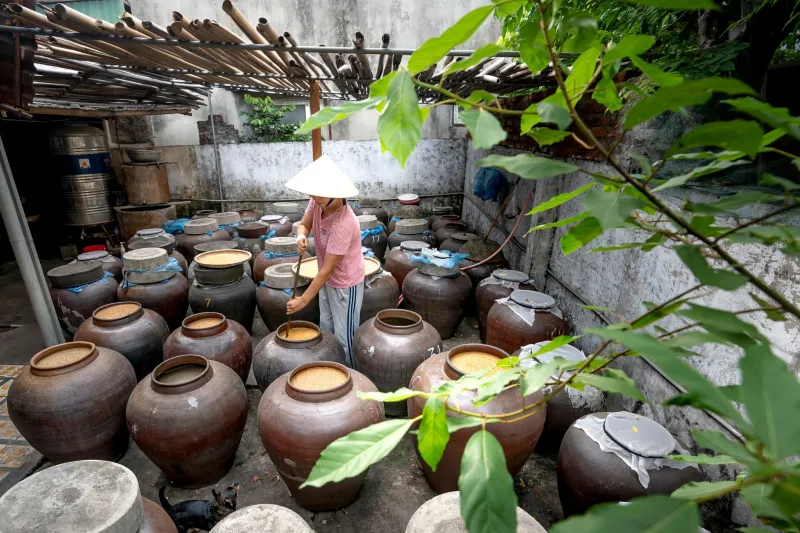
Down in the Gulf South, small-batch makers are working with local shrimp, anchovies, and even oysters, fermenting them slowly with salt over months or years to produce sauces with a complexity and regional character that imported bottles simply can't replicate. Some are aging in bourbon barrels, which lends a subtle caramel depth that plays surprisingly well with the brine.
Up in the Pacific Northwest, producers are experimenting with salmon-based fish sauces that lean more oceanic and less funky than their Southeast Asian counterparts — a slightly more approachable entry point for cooks who are still getting comfortable with the category.
Here's the thing about American-made fish sauce: it tends to be gentler and more nuanced than some of the more pungent imported varieties, which makes it easier to use with confidence. A few drops in a vinaigrette. A splash deglazed into a pan with butter and capers. A small pour into a pot of braised short ribs. You're not trying to make the dish taste like fish — you're trying to make it taste more like itself, only better.
The Umami Bombs You Haven't Found Yet
Beyond miso and fish sauce, a whole subcategory of concentrated umami products is emerging from American artisan producers, and it's worth paying attention.
Kelp and seaweed-based condiments from Maine and the Pacific Coast are showing up in the form of pastes, powders, and finishing salts that carry a mineral ocean depth with none of the fishiness people sometimes worry about. Mushroom-based umami concentrates — made from dried porcini, shiitake, or locally foraged varieties — are being produced in small runs by a handful of specialty makers who treat their mushrooms the way a winemaker treats grapes: as a terroir-driven ingredient worth obsessing over.
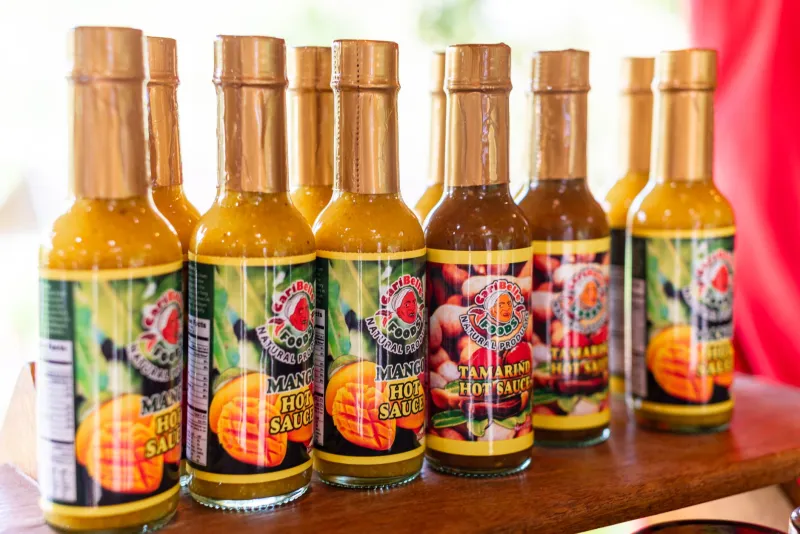
There are also fermented chili pastes, koji-cured condiments, and aged tamari-style sauces coming out of American kitchens that sit somewhere between categories — not quite hot sauce, not quite soy sauce, but something more interesting than either.
Building Your American Umami Pantry
You don't need all of this at once. In fact, starting with just two or three well-chosen products is the smarter move — it lets you actually learn how each one behaves before adding more to the mix.
Here's a simple framework:
Start with a miso. A chickpea or white miso from an American producer is the most versatile entry point. Use it in dressings, marinades, compound butters, and anywhere you'd otherwise reach for salt.
Add a fish sauce. A small bottle of domestic fish sauce will outlast a year of regular cooking. Use it sparingly — it's a background player, not a lead.
Grab a wildcard. A kelp salt, a mushroom paste, a barrel-aged soy — pick one thing that genuinely surprises you and figure out how it fits into your cooking.
The best place to find these products? Farmers markets, naturally — many of the producers making them are small enough that they're still selling direct. Specialty food shops and online artisan marketplaces are your next best bet, especially for makers who are only shipping within their region for now but building something worth tracking down.
Why This Matters Beyond the Hype
It would be easy to dismiss all of this as food-world trendiness — another niche category for people who already own a mandoline and a Japanese knife roll. But the case for American-made umami products goes deeper than that.
These producers are applying serious craft to an area of the pantry that has been almost entirely ceded to imports for decades. They're working with local farmers and fishermen. They're reviving fermentation traditions that American food culture largely abandoned during the industrial food era. And they're making products that genuinely improve your cooking in ways that are immediate and tangible.
If you've already made the leap to craft hot sauce, small-batch vinegar, or stone-ground flour — and you've felt that satisfaction of tasting the difference — then the American umami pantry is your obvious next move. It's the same instinct: find the people doing it with care, and let the flavor speak for itself.