Heat With Purpose: How Craft Hot Sauce Became the Most Interesting Bottle in Your Kitchen
There's a moment that happens to a lot of home cooks. You're mid-recipe, you reach for the hot sauce, and the bottle you grab — the one that's lived on your fridge door for years — suddenly feels inadequate. Not bad, exactly. Just... flat. One-dimensional. Like listening to a song with half the instruments missing.
That moment is what's been quietly driving one of the most compelling corners of American artisan food culture. Craft hot sauce has graduated from novelty gift shop territory into a full-blown culinary movement, and the people making it are treating pepper mash with the same seriousness that a winemaker brings to a single-vineyard Pinot.
What Actually Separates a Craft Hot Sauce from the Mass-Market Stuff
The obvious answer is heat level, but that's almost beside the point. What truly distinguishes a small-batch hot sauce is intention — and you can taste it.
Mass-market bottles are engineered for consistency and shelf stability above everything else. Vinegar gets dialed up to extend shelf life. Peppers are sourced for yield and uniformity, not flavor complexity. Thickeners, stabilizers, and natural flavors fill in the gaps. The result is a product that tastes the same in January as it does in July, year after year, which is a manufacturing triumph but a culinary dead end.
Craft producers tend to work differently. Many source specific pepper varieties — Fresno chiles, Scotch bonnets, ají amarillo, Jimmy Nardello sweets — from farms they've built relationships with. Fermentation is common, because a slow lacto-fermented mash develops a depth and tang that fresh-processed sauce simply can't replicate. And the flavor profiles are built around more than heat: acidity, fruitiness, smokiness, umami, even sweetness all play a role.
The best small-batch hot sauces are condiments in the fullest sense of the word. They don't just add fire. They add flavor.
Makers Worth Knowing
Bravado Spice Co. (Texas) started as a farmers market operation in San Antonio and has grown into one of the most respected names in craft hot sauce without losing what made it interesting in the first place. Their Ghost Pepper & Blueberry sauce is a genuinely surprising combination — the fruit doesn't sweeten things so much as it rounds out the heat and adds a jammy, almost wine-like quality. It's the kind of bottle that makes you rethink what a hot sauce is supposed to do.
Grady's Good Stuff (Georgia) is doing something more rooted in Southern tradition. Their fermented pepper sauces are built on heirloom varieties grown in the Georgia piedmont, slow-fermented for weeks before bottling. The result has that funky, complex depth you associate with the best aged hot sauces — something that works as well stirred into a pot of beans as it does shaken over eggs.
Yellowbird Sauce (Austin, Texas) has become something of a gateway drug for home cooks who are just starting to explore beyond the mainstream. Their Habanero Condiment sauce is bright, citrus-forward, and genuinely versatile — it's the kind of thing you reach for when you want to add life to a dish without announcing "I put hot sauce on this." They also make a Serrano sauce that's almost herbaceous, closer in spirit to a salsa verde than a traditional hot sauce.
Out on the West Coast, Boon Sauce (Oregon) is making fermented hot sauces that read almost like fine condiments from another culinary tradition. Their approach leans heavily on umami — miso, tamari, and fermented black garlic show up in various bottles — and the results are genuinely unlike anything coming out of the South or Southwest. These are sauces built for drizzling over roasted vegetables or finishing a bowl of ramen, not just dousing chicken wings.
Building a Curated Hot Sauce Collection
Here's a useful framework: think of your hot sauce collection the way you'd think about your vinegar collection. You probably don't want six bottles that all do the same thing. You want range.
An everyday fermented sauce. This is your workhorse — something with good acid, moderate heat, and a complexity that holds up in cooking as well as at the table. A well-made lacto-fermented Fresno or cayenne sauce fits this role perfectly.
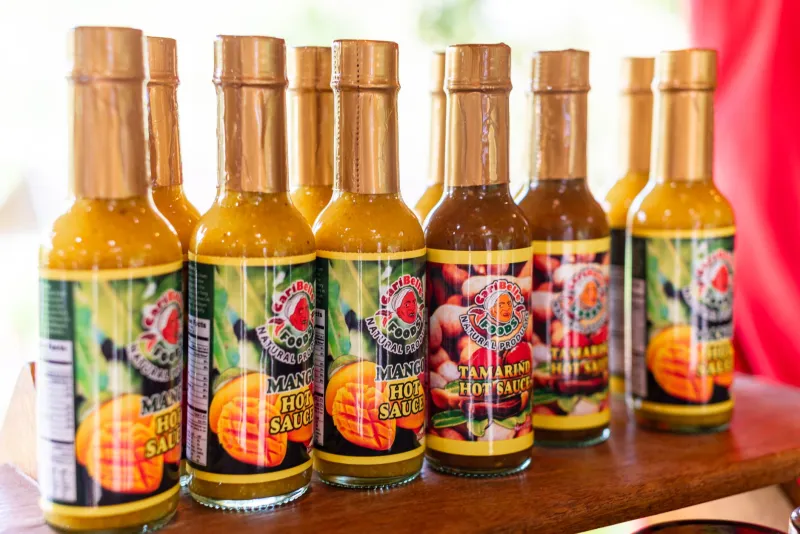
A fruit-forward sauce. Mango, pineapple, tamarind, citrus — fruity hot sauces get dismissed as gimmicky, but a well-executed one can be genuinely transformative on grilled fish, pork, or anything that benefits from a sweet-heat counterpoint. Look for producers who let the fruit add dimension rather than just sweetness.
Something smoky. A chipotle-based sauce or anything that's seen some time over a wood fire brings a different kind of depth to your cooking. Stir it into mayo for a sandwich spread, use it to finish a braise, or swirl it into sour cream for a taco night upgrade.
A high-heat specialty bottle. You don't need this one often, but when you want to push heat to the foreground — a superhot mash built on Carolina Reapers or ghost peppers — it's good to have something serious on hand. Use it by the drop, not the tablespoon.
A wildcard. This is where craft hot sauce gets genuinely fun. A sauce built around a single obscure pepper variety. Something with unusual botanicals. A regional style you've never tried. Farmers markets are the best place to find these — small producers who are making fifty cases at a time and selling them off a folding table on Saturday morning.
Where to Shop (and What to Look For)
Farmers markets remain the single best place to discover small-batch hot sauce. Producers who are just getting started — or who simply prefer to stay small — often sell exclusively at markets, and you get to taste before you buy, which matters enormously with hot sauce.
Online specialty retailers and direct-to-consumer sites have also made it possible to order from producers across the country without leaving your kitchen. When you're shopping online, look for producers who list their pepper sources, fermentation methods, and ingredient lists prominently. Transparency is a good sign. A bottle that just says "peppers, vinegar, salt" without any further context is not necessarily bad, but a producer who's proud of their sourcing and process will usually tell you about it.
And don't sleep on the bottle date. Some craft hot sauces are genuinely better fresh; others develop complexity with age. Either way, knowing when something was made tells you something about how the producer thinks about their product.
The Bigger Point
Hot sauce has always been part of American food culture. What's changed is the ambition behind it. The best small-batch producers aren't trying to make a spicier version of what already exists — they're treating the pepper as a serious culinary ingredient and asking what it can actually do.
That's the same question the best American cheesemakers, vinegar producers, and grain millers are asking. And it's exactly the kind of question worth paying attention to.