From Peak to Pantry: The Artisan Picklers Turning Farmers Market Hauls into Year-Round Flavor
There's a moment at the end of summer when the farmers market tips into abundance — tomatoes piled three deep, peppers in every shade of the spectrum, stone fruits practically falling off the table. Most of us buy a bag, eat what we can, and watch the rest go soft on the counter. A small but growing community of artisan fermenters has a better idea.
They show up with coolers. They buy in volume. And within days, that peak-season produce is transformed into something shelf-stable, complex, and frankly kind of extraordinary. The American artisan pickle scene has moved well past the classic dill spear, and if you haven't been paying attention, you've been missing out on some of the most interesting flavors in the country right now.
Why This Moment Is Different
Pickling and fermentation are ancient preservation techniques, obviously. But what's happening in small-batch production today feels genuinely new. Part of it is sourcing — these makers are working directly with local farms, often buying imperfect or surplus produce that would otherwise go to waste. Part of it is technique — lacto-fermentation, wild brining, and long-cure methods that prioritize depth of flavor over shelf life optimization. And part of it is ambition. These aren't people trying to replicate a supermarket product. They're chasing something more interesting.
The result is a cottage industry that's showing up at farmers markets, specialty grocers, and online shops across the country, offering products that home cooks are increasingly treating the way they'd treat a good condiment or a finishing oil — as a tool for making everything taste better.
Producers Worth Knowing
Keepwell Vinegar & Ferments — Virginia Based in the Shenandoah Valley, Keepwell has built a devoted following for their lacto-fermented hot sauces and shrubs made with Virginia-grown peppers and fruit. Their fermented pepper mash — aged for months before bottling — has the kind of rounded heat and funky complexity that makes most commercial hot sauces taste one-dimensional. They work closely with local farms and are transparent about their sourcing in a way that's genuinely refreshing.
Bubbies aside, look to Hex Ferments — Maryland Out of Baltimore, Hex Ferments has been doing wild-fermented vegetables for years, but their seasonal specials are what get people excited. Late summer green tomatoes get the lacto treatment and come out tangy, herbaceous, and deeply savory — nothing like a fried green tomato, and nothing like a vinegar pickle either. They sell at the Baltimore Farmers Market and through local retailers, and the jars move fast.
Foxtail Farm & Kitchen — Vermont Vermont's short but intense growing season means producers there have to be strategic about preservation. Foxtail leans into that constraint, putting up small batches of brine-cured stone fruits — think lacto-fermented plums and cherries — that straddle the line between condiment and ingredient. A spoonful over roasted pork or stirred into a grain bowl adds something that's hard to name but impossible to ignore.
Sqirl's Influence and the California Ferment Wave The West Coast has its own ferment culture, shaped partly by the influence of restaurants like Sqirl in Los Angeles, where preserved and fermented ingredients became central to the menu. That sensibility has trickled into the farmers market scene in a big way. Producers in the Bay Area and LA are now putting out lacto-fermented citrus, koji-brined vegetables, and vinegar-forward pickles with distinctly California flavor profiles — bright, acidic, herb-forward.
What Makes a Good Artisan Pickle
Shopping for small-batch fermented products is a little different from grabbing a jar off a supermarket shelf. Here's what to look for.
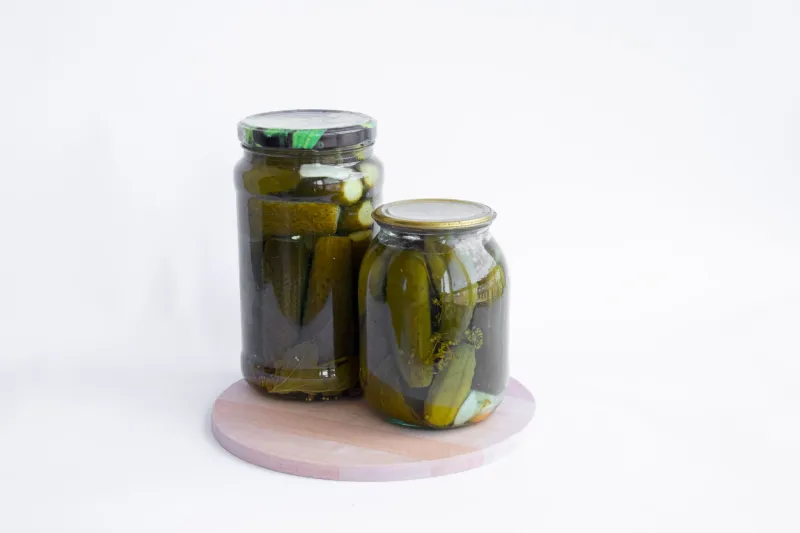
Live culture vs. vinegar pack. Lacto-fermented products — made with salt and time rather than vinegar — are alive. They'll have a subtle fizz, a complex tang, and often a cloudy brine. They need refrigeration and have a shorter shelf life, but the flavor payoff is significant. Vinegar-packed pickles can be excellent too, especially when made with good-quality vinegar and thoughtful spicing, but they're a different product. Know which you're buying.
Ask about the produce. The best artisan picklers will tell you exactly where their cucumbers or peppers came from. That transparency is a good sign. It usually means the produce was treated well and picked at the right moment — which matters enormously in fermentation.
Taste before you commit. Most farmers market vendors will let you try before you buy. Take them up on it. Good ferments should taste alive and layered — sour but not harsh, salty but not overwhelming, with a back note of something you can't quite identify. If it tastes flat or aggressively acidic, move on.
Check the brine. The liquid in the jar is not an afterthought. A good ferment brine is packed with flavor and beneficial bacteria. Don't dump it.
How to Cook With These Products
Once you start stocking artisan ferments and pickles, you'll find yourself reaching for them constantly. A few ideas to get you started.
Use the brine as a seasoning. Splash fermented brine into salad dressings, stir it into mayo, or use it to deglaze a pan after cooking chicken. It adds acidity and depth without the sharpness of straight vinegar.
Lacto-fermented hot sauce on everything. Eggs, tacos, roasted vegetables, grain bowls — the funkier, more complex heat of a lacto-fermented sauce elevates almost anything. Try it where you'd normally use Tabasco and notice the difference.
Brine-cured stone fruits as a condiment. A few fermented plums or cherries alongside a cheese board, on top of a pork chop, or folded into a slow-cooked braise add a savory-sweet-acidic note that's genuinely hard to replicate any other way.
Green tomato pickles as a sandwich staple. Lacto-fermented green tomatoes have a tartness and texture that works beautifully on a burger or a grilled cheese. They're also excellent chopped into a relish for grilled fish.
Chop pickled vegetables into grain salads. Farro, wheat berries, or even plain rice get a serious upgrade from a handful of finely chopped fermented vegetables stirred through. It's an easy way to add complexity to a weeknight meal without much effort.
The Bigger Picture
What's exciting about this moment in American fermentation isn't just the flavors — it's what it represents. Small producers buying directly from local farms, preserving peak-season produce, and selling it back to their communities as something genuinely valuable. That's a food system doing something right. And the jars on your pantry shelf are proof of it.
Next time you're at the farmers market, look past the produce tables and find the person with the cooler and the hand-labeled jars. Taste something. Ask where the cucumbers came from. Buy a jar of something you don't entirely understand yet. That's usually where the best stuff lives.