Stone-Ground, Slow-Grown, and Seriously Delicious: Meet the Regional Flour Mills Changing the Way America Bakes
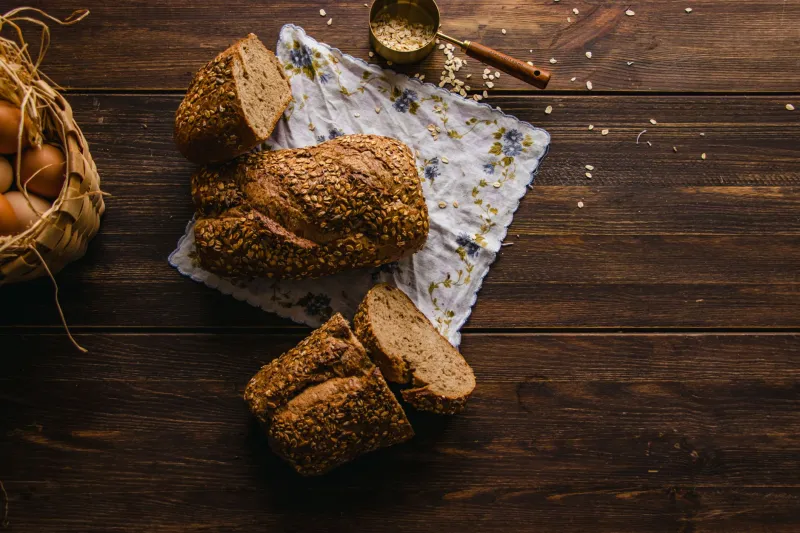
Let's be honest about something. You've sourced the good butter. You've tracked down local eggs. You've probably even splurged on that fancy finishing salt. But the flour? That five-pound bag from the center aisle of your grocery store? It's been sitting there, totally unchallenged, doing the bare minimum — and quietly holding your baking back.
Here's the thing: flour is the foundation of almost everything a home baker makes. And for most of the 20th century, American flour was engineered for consistency, shelf life, and industrial scale — not flavor. The wheat varieties bred for commodity production were selected for high yields and easy milling, not for the complex, nutty, faintly sweet character that older grains naturally carry. What we ended up with was a flour that works perfectly fine and tastes like almost nothing.
That's finally starting to change.
A Quiet Revolution Happening One Millstone at a Time
Across the country, a growing network of small regional grain mills is doing something that would have seemed eccentric twenty years ago: they're growing, sourcing, and milling heritage and landrace wheat varieties with the same care and intentionality that a craft brewer brings to hops or a specialty roaster brings to green coffee. The results are flours that smell like something — toasty, earthy, faintly grassy — and that bring genuine depth to breads, pastries, and pasta.
This isn't just a trend for professional bakers. Home cooks with a serious interest in their ingredients are catching on, and the market is responding. Artisan mills that were selling wholesale to restaurants five years ago are now shipping directly to home bakers in every state. If you've been looking for the single upgrade that will make the biggest difference in your kitchen, this is it.
The Mills Worth Knowing
Anson Mills (Columbia, SC) is often credited with lighting the spark for the whole movement. Glenn Roberts founded the company in 1998 with a mission to restore antebellum grain and legume varieties to American tables — not as a novelty, but as a serious culinary ingredient. Their Carolina Gold Rice Flour and Rustic Red Fife Whole Wheat are beloved by pastry chefs and serious home bakers alike. Anson Mills flours are stone-milled and cold-shipped, and they carry real harvest dates, because freshness matters in a way that the commodity flour industry has never had to acknowledge.
Cairnspring Mills (Burlington, WA) operates out of the Skagit Valley in Washington State, one of the most fertile grain-growing regions in the country. They work directly with local farmers to grow specific wheat varieties — including their flagship Expanse and Glacier flours — and mill everything on-site. What you get is a flour with a clear regional identity, the grain equivalent of a single-origin chocolate bar. Their whole wheat options are particularly stunning: nutty and complex without the heavy, gummy texture that gives whole wheat a bad reputation.
Hayden Flour Mills (Queen Creek, AZ) is doing remarkable work in the Southwest, reviving White Sonora Wheat, one of the oldest wheat varieties in North America. Brought to the region by Spanish missionaries in the 1600s, White Sonora nearly disappeared entirely. Hayden's version produces a flour that's soft, slightly sweet, and extraordinarily versatile — brilliant in tortillas, flatbreads, and delicate pastries.
Janie's Mill (Ashkum, IL) represents the Midwest's entry into the artisan grain conversation, and it's a compelling one. Operating out of a multi-generation farm in central Illinois, Janie's mills certified organic heritage varieties including Red Fife, Einkorn, and Marquis wheat. Their flours are available in a range of grind styles, from fine pastry flour to coarser whole grain options, and they publish detailed baking notes for each product — genuinely useful for home bakers navigating unfamiliar ingredients.
What to Look for on the Label
Walking into the world of artisan flour can feel a little overwhelming at first. Here's a quick cheat sheet for reading the bag.
Variety matters. Look for named wheat varieties — Red Fife, Einkorn, Emmer, Spelt, Turkey Red, White Sonora. These are heritage or ancient grains with distinct flavor profiles. Generic "wheat flour" tells you nothing.
Stone-milled vs. roller-milled. Stone milling is slower and generates less heat, which preserves more of the grain's natural oils and nutrients. The result is a more flavorful, more nutritious flour. Roller milling is faster and produces the ultra-fine, shelf-stable flour you find in most grocery stores.
Extraction rate. This refers to how much of the whole grain ends up in the final flour. A high-extraction flour (85–90%) retains more of the bran and germ, meaning more fiber, more minerals, and more flavor. A lower extraction rate produces a whiter, lighter flour. Neither is inherently better — it depends on what you're baking.
Freshness and harvest dates. Artisan mills often print a mill date or harvest year on their packaging. Unlike commodity flour, which is stabilized for long shelf life, stone-ground flour is a perishable ingredient. Buy smaller quantities, store it in an airtight container (ideally in the fridge or freezer), and use it within a few months.
How to Actually Make the Switch
You don't have to overhaul your entire pantry overnight. The easiest entry point is to swap in an artisan whole wheat or high-extraction flour for a portion of the all-purpose in your usual bread recipe — start with 20 to 30 percent and work up from there. The flavor difference will be immediately noticeable, even at that ratio.
For sourdough bakers, heritage flours are particularly transformative. The complex starches and higher mineral content in older wheat varieties feed wild yeast cultures more robustly, producing more active fermentation and a more developed sour flavor. Many bakers who struggled with sluggish starters find that switching to a fresh, stone-milled flour makes an almost instant difference.
Pancakes, waffles, and quick breads are also excellent testing grounds. The lower-gluten profile of many heritage wheats makes them naturally tender in these applications, and the flavor really shines without the masking effect of heavy yeast fermentation.
Why This Matters Beyond the Kitchen
Buying from a regional grain mill isn't just a flavor decision — it's a food system one. Commodity wheat production has homogenized American agriculture in ways that have real consequences for soil health, biodiversity, and rural economies. The mills profiled here are working directly with farmers to grow specific varieties on specific land, creating a traceable, accountable supply chain that simply doesn't exist in the commodity world.
When you buy a bag of Cairnspring flour, you're supporting a Skagit Valley farmer growing a specific wheat variety on a specific plot of ground. That's a fundamentally different relationship with your ingredients than grabbing whatever's cheapest on the shelf.
That's the Grand Fare Market ethos in a nutshell: knowing where things come from, and choosing accordingly. Your bread will thank you.