Liquid Gold, Local Roots: How Small-Hive American Honey Is Redefining What Sweet Can Be
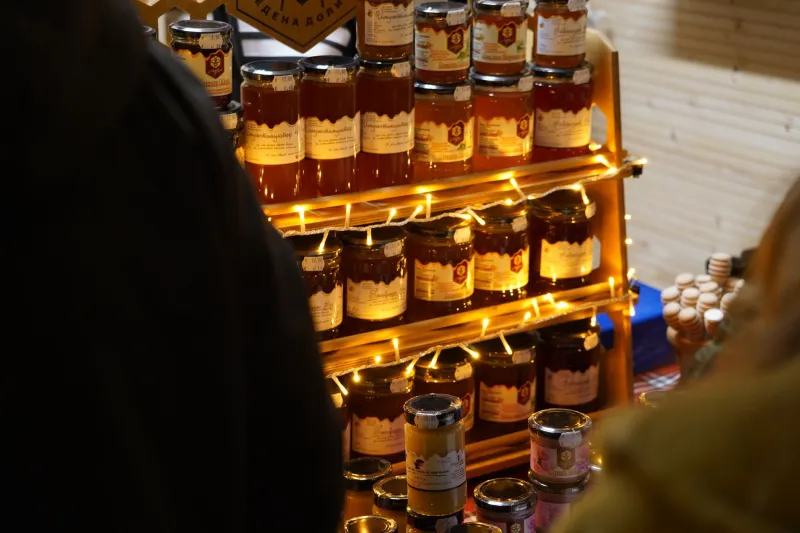
Walk through any well-stocked farmers market these days and you'll probably notice something: the honey table has gotten complicated — in the best possible way. Where there used to be one or two generic jars, there are now a dozen or more, each labeled with a specific flower source, a county, sometimes even a named farm. One jar is nearly black and smells faintly of molasses. Another is pale as champagne with a floral finish that lingers. A third has crystallized into something almost buttery.
This is the new American honey boom, and if you haven't paid attention yet, you're missing one of the most quietly exciting corners of the artisan food world.
Why Honey Has Terroir (Yes, Really)
Wine lovers throw the word terroir around constantly — the idea that what grows in the ground, the climate, the soil, all of it ends up in the glass. Honey works the same way, and in some respects it's even more dramatic. Bees are essentially flying flavor-capture machines. They forage within roughly a two-mile radius of their hive, and every plant they visit leaves a chemical fingerprint in the nectar they collect. The result is that honey from a hive sitting next to a clover field in Vermont tastes fundamentally different from honey produced a few miles away near a stand of basswood trees.
Single-origin honey takes that logic seriously. Small-hive producers — apiaries running anywhere from a handful to a few hundred hives — often manage their bees with specific forage in mind, moving hives strategically or simply placing them in environments where one plant source dominates. The difference in the final product is striking.
Add in variables like harvest timing, whether the honey is raw or minimally processed, and how it's stored, and you start to understand why serious food people are treating these jars the way they treat natural wine or single-farm olive oil.
A Few American Producers Worth Tracking Down
Sleeping Bear Farms (Michigan) has become something of a benchmark for Midwestern wildflower honey. Their hives forage across a mosaic of meadows and woodlands near the Sleeping Bear Dunes National Lakeshore, and the result is a honey with genuine complexity — a little herbal, a little fruity, and deeply satisfying in a way that's hard to put into words until you taste it.
Savannah Bee Company (Georgia) has championed tupelo honey for years, and for good reason. Tupelo — harvested from white tupelo trees that bloom over the swampy river bottoms of the Florida Panhandle and southern Georgia — is one of America's most distinctive regional honeys. It's extraordinarily high in fructose, which means it resists crystallization and has a gentle, almost floral sweetness with a slightly buttery quality. It's also relatively rare, since the bloom window is short and the harvest conditions are genuinely difficult.
Tremblay Apiaries (New York) out of the Finger Lakes region produces a buckwheat honey that is not for the faint of heart — and that's a compliment. Dark, robust, and almost funky, buckwheat honey is the craft honey world's answer to a peaty Scotch whisky. It's assertive, complex, and absolutely transformative when used in cooking or paired with strong cheeses.
For those on the West Coast, Marshall's Farm Honey in Napa Valley has long been producing small-batch California wildflower honey with the kind of care you'd expect from a region obsessed with provenance.
How to Taste Honey Like You Mean It
Here's the thing about single-origin honey: it rewards attention. The same way you'd slow down for a really good glass of wine, it's worth giving honey a proper tasting.
Start with a clean palate. Use a small spoon — or just your finger, no judgment — and let the honey sit on your tongue for a moment before swallowing. Notice the initial sweetness, then look for what comes after: floral notes, fruit, earthiness, a hint of spice or bitterness. Pay attention to texture, too. Some honeys are thin and runny; others are thick, almost creamy. Crystallization isn't a flaw — it's often a sign that honey is raw and minimally processed, which is generally a good thing.
If you can, taste a few honeys side by side. The contrast is eye-opening. A light acacia honey next to a dark buckwheat varietal is like comparing a Pinot Grigio to a Barolo — same basic category, completely different experience.
Pairing Honey With What's Already on Your Table
Once you've got a few single-origin jars in your pantry, the fun really starts.
With cheese: This is the most intuitive pairing, and it works brilliantly. Light, floral honeys — think orange blossom or clover — pair beautifully with fresh chèvre or mild brie. Medium-bodied wildflower honeys are great alongside aged cheddar or a nutty Manchego. For something bold like a blue cheese or an aged pecorino, reach for buckwheat or a dark forest honey. The bitterness and depth stand up to the intensity of the cheese rather than getting lost.
With charcuterie: A drizzle of honey over a charcuterie board does more than look pretty. Try a slightly herbaceous wildflower honey alongside prosciutto or bresaola — the sweetness plays off the salt and fat in a way that's genuinely addictive. Spicier cured meats like soppressata benefit from the cooling sweetness of a lighter varietal.
In baking: Swapping commercial honey for a single-origin varietal in baked goods is one of the easiest upgrades you can make. Buckwheat honey in a batch of granola adds a depth of flavor that brown sugar alone can't replicate. Tupelo honey in cornbread is a revelation. A light wildflower honey stirred into a simple butter cake will perfume your kitchen in a way that feels almost luxurious.
On breakfast: Don't overlook the obvious. A good single-origin honey on toast with good butter, drizzled over yogurt with fresh fruit, or swirled into a morning cup of tea is one of those small daily pleasures that makes a real difference.
Where to Find These Honeys
Your local farmers market is still the best first stop — and the advantage there is that you can usually taste before you buy. Ask the vendor about the forage source, the harvest date, and whether the honey is raw. A producer who can answer those questions with specifics is almost always someone worth buying from.
Beyond the market, a growing number of small apiaries sell directly through their own websites, and specialty food shops are increasingly stocking regional and varietal honeys alongside their olive oils and vinegars. Online retailers focused on artisan foods have also made it easier to access producers from regions you'd never otherwise reach.
The price tag on a good single-origin honey might give you pause — these jars can run anywhere from $15 to $40 or more depending on rarity and source. But consider how long a jar of honey lasts, and what you're actually getting: a genuinely unique product that reflects a specific place, a specific season, and the work of both a dedicated beekeeper and a few thousand very busy bees. That's a pretty good deal, honestly.