Fruit, Elevated: How America's Small-Batch Preserve Makers Turned a Humble Jar into Something Worth Seeking Out
Fruit, Elevated: How America's Small-Batch Preserve Makers Turned a Humble Jar into Something Worth Seeking Out
For most of us, jam occupies a pretty fixed spot in the imagination. It's the stuff you spread on toast without thinking much about it. It comes in a squat little jar with a cheerful label, it's always too sweet, and if someone gives you one in a gift basket alongside some crackers and a block of mediocre cheddar, you say thank you and then forget about it for six months.
That version of jam still exists, obviously. But alongside it — quietly, persistently, one farmers market table at a time — a completely different kind of preserve has been taking shape. And if you haven't noticed it yet, you're about to.
What's Actually Changed
The short answer is: everything, starting with the fruit.
The preserve makers driving this movement aren't working with commodity strawberries or generic stone fruit trucked in from wherever was cheapest that week. They're sourcing with the kind of specificity you'd expect from a natural wine producer or a single-origin chocolate maker. We're talking heirloom varieties of apricots that most grocery stores have never carried. Wild-foraged elderberries. Pawpaws. Sour cherries from a specific family orchard in Michigan. Quince from a small California farm that grows almost nothing else.
The fruit is the point. Which means everything else — the sugar ratios, the cooking time, the decision to add pectin or not, the choice of acid — exists in service of showcasing what that particular piece of fruit actually tastes like at its peak.
This is a fundamentally different philosophy than what drives mass production, where fruit is a raw input and sweetness is the output. For small-batch producers, the goal is something closer to preservation in the truest sense: capturing a flavor, a season, a place.
The Producers Worth Knowing
Across the country, a handful of makers have emerged as real standard-bearers for this approach.
Quince & Apple out of Madison, Wisconsin has built a devoted following around European-style preserves that lean tart and complex rather than sweet and one-dimensional. Their combinations — think gooseberry with elderflower, or plum with cardamom — read more like a chef's flavor notebook than a supermarket shelf. The texture is loose and spreadable, and the fruit flavor is immediate and clear.
On the West Coast, June Taylor Company in the San Francisco Bay Area has been doing this longer than almost anyone. June Taylor treats her preserves like a craftsperson treats any handmade object: slowly, carefully, with deep attention to what she's working with. She's known for marmalades and whole-fruit conserves that use citrus and stone fruits from small California growers, and her jars have a quiet intensity that rewards paying attention.
In the South, Muddy Pond Sorghum Mill in Tennessee reminds you that American preserving traditions run deeper than jam. Their sorghum syrup — made from cane grown and pressed on their own property — is a living link to Appalachian foodways that most of the country has largely forgotten. It's not jam, but it belongs in the same conversation: a shelf-stable product that tastes unmistakably of where and how it was made.
And then there's the newer wave. Producers like Sqirl (yes, they started as a jam company before the restaurant took over the story) helped introduce a generation of Los Angeles food lovers to the idea that jam could be a serious kitchen ingredient. Their meyer lemon curd and seasonal berry jams were, for a lot of people, a genuine revelation — proof that the category had more range than anyone had bothered to explore.
Why It Belongs on a Serious Table
Here's the case, plainly: a really good jar of preserves is one of the most versatile flavor tools you can keep in your refrigerator.
The obvious application is breakfast — on toast, stirred into yogurt, swirled through oatmeal. But that's just the beginning. A spoonful of tart plum jam whisked into a pan sauce for pork. A smear of fig conserve under a slice of aged cheddar on a cheese board. Apricot preserves thinned with a little vinegar and used as a glaze for roasted chicken. Pepper jelly spooned over cream cheese as an appetizer that sounds simple until you use a really good version and everyone asks what's in it.
The difference between a craft preserve and a mass-produced one shows up most clearly in these secondary uses. When the fruit flavor is actually present — when there's brightness and complexity and maybe a little tartness to balance the sweetness — it adds something real to a dish. When it's just sugar with fruit flavoring, it adds sugar.
How to Find the Good Stuff
Farmers markets are still your best bet for discovering local and regional preserve makers. The people behind the table are almost always the people who made the jam, and they can tell you exactly what's in it, where the fruit came from, and what they think you should do with it. That kind of direct conversation is part of the whole experience.
Beyond that, a growing number of small-batch producers sell online and ship nationally. If you're willing to spend a little time looking — and a little more money than you would at the grocery store — the range of what's available is genuinely impressive. Look for producers who name their sources, who describe their fruit with the same attention a wine label gives to terroir, and who offer flavors that go somewhere beyond strawberry and grape.
It's also worth paying attention to sugar content and ingredient lists. The best craft preserves use less sugar than their commercial counterparts, letting the fruit's natural pectin and acidity do more of the work. That means they may not last quite as long once opened, but it also means they taste like actual fruit.
A Different Way to Think About It
Jam has a humility problem. It's been so thoroughly associated with the ordinary — the school cafeteria, the diner table, the holiday gift basket nobody asked for — that it's easy to overlook how much potential the category actually holds.
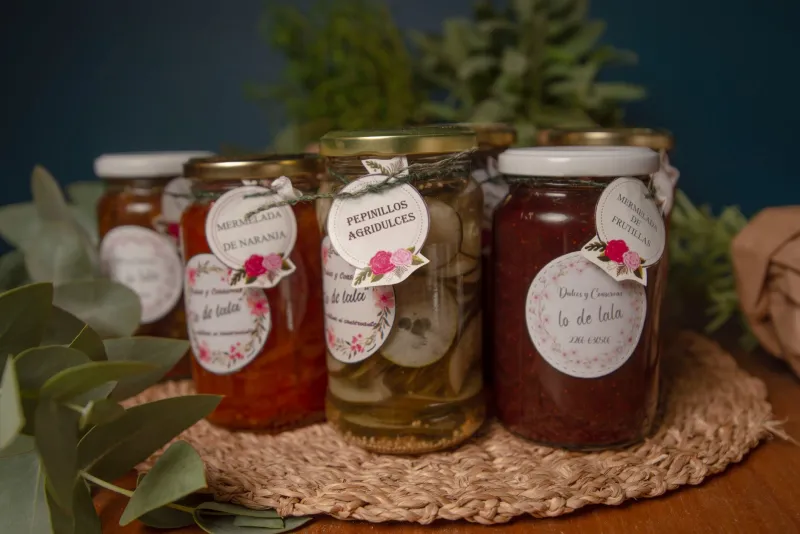
But think about what a great preserve actually is: ripe, carefully sourced fruit, cooked with just enough sugar to stabilize it and concentrate its flavor, sealed in a jar to last through seasons when that fruit no longer exists. That's not a trivial thing. That's a small act of preservation with real craft behind it.
The producers doing this work well deserve the same attention we give to good cheese, good olive oil, or good vinegar. And your pantry — and your cooking — will be better for having them in it.