Hook, Line, and Transparency: What Happens When Your Fishmonger Actually Knows the Boat
Ask the person behind the seafood counter at your average supermarket where the salmon came from. Not the country — the farm, the fishery, the boat. Watch what happens. Chances are you'll get a country of origin (required by law) and maybe a vague farming claim, and that'll be the end of it. Nobody there knows more, because the supply chain that delivered that fish to the case was never designed to carry that kind of information.
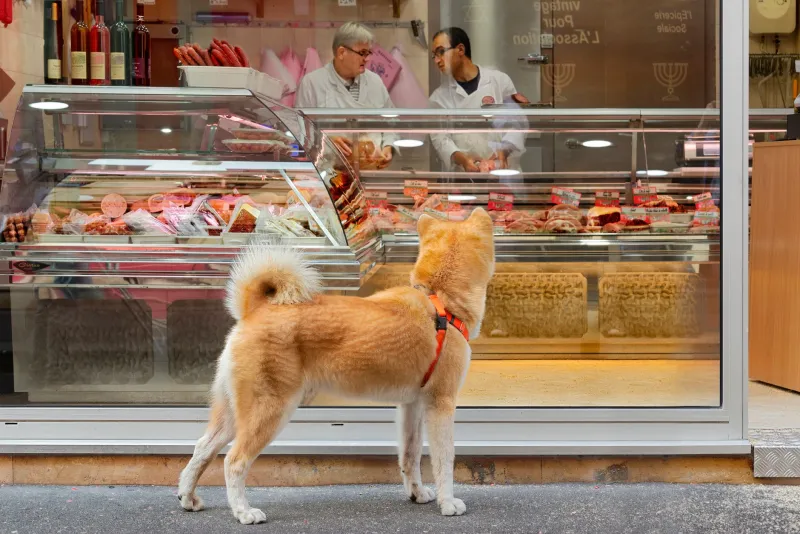
Now walk into a small independent fish market — the kind run by someone who drives to the dock at 4 a.m., or who's been texting with a trawler captain in Alaska all week — and ask the same question. You'll probably be there a while. Because these people have answers.
The Problem With How Most Americans Buy Fish
Seafood fraud is, by most accounts, widespread in the United States. Studies from Oceana, the marine conservation nonprofit, have found that a significant percentage of fish sold in American restaurants and grocery stores is mislabeled — cheaper species substituted for premium ones, farmed fish sold as wild, fish from one region labeled as another. The economics of industrial seafood distribution make this almost inevitable. Fish passes through so many hands — harvester, processor, importer, distributor, retailer — that traceability gets lost somewhere along the way.
Beyond fraud, there's the quality question. Most supermarket fish is frozen, thawed, and displayed on ice for days before purchase. Sodium tripolyphosphate, a common additive, is used to help fish retain water weight — which means you're partly paying for water, and the fish will weep liquid into your pan when you cook it. None of this is disclosed prominently.
The result is that many Americans have quietly decided they're not great at cooking fish, when the more accurate conclusion is that they've been working with mediocre raw material.
What Artisan Purveyors Do Differently
The small-scale seafood operations making noise right now are built on a fundamentally different model. Instead of buying from a distributor who bought from a processor who bought from a harvester, they're working directly with fishing vessels, small aquaculture operations, and regional docks.
In Portland, Maine, operations like Harbor Fish Market — a decades-old waterfront institution — have long operated this way, buying directly from local boats and maintaining relationships with the fishermen who supply them. On the West Coast, Community Supported Fishery (CSF) programs modeled on the CSA concept have connected home cooks directly with fishing families in places like Astoria, Oregon, and Juneau, Alaska. Subscribers receive regular shares of whatever was caught that week — a model that prioritizes freshness and seasonality over consumer convenience.
Direct-to-consumer seafood companies have expanded this model nationally. Operations like Sitka Salmon Shares in Illinois source exclusively from independent Alaskan fishermen and ship directly to subscribers across the country. The fish arrives frozen-at-sea — a process that, counterintuitively, often produces higher quality than "fresh" fish that's been sitting on ice for a week. Customers receive detailed information about who caught their fish, what vessel it came from, and where it was harvested.
The Fishermen Behind the Fish
What makes these relationships meaningful isn't just the traceability — it's the economics. Industrial seafood distribution has squeezed small-scale fishermen for decades. When a purveyor buys directly and pays a fair price, it helps keep independent fishing operations viable in communities where they've been a way of life for generations.
Fishermen who sell through direct channels also have an incentive to handle their catch more carefully. When you know your name is attached to the fish — when the customer can look you up — quality becomes a matter of reputation in a way it never is when your catch disappears into an anonymous supply chain.
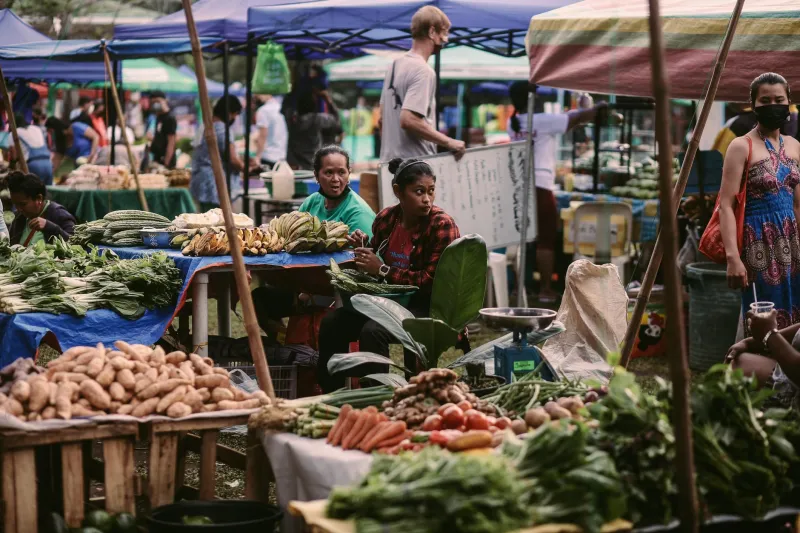
This dynamic is visible in the growing number of fishermen who've started selling directly at farmers markets. In coastal cities from Portland, Maine, to Seattle to Charleston, South Carolina, fish vendors at weekend markets have become some of the most popular stops — not just because the product is good, but because the conversation is. Knowing that the guy selling you striped bass was on the water at dawn that morning changes how you think about dinner.
How to Evaluate What You're Buying
Whether you're shopping at a small fish market, a farmers market, or considering a seafood subscription, a few questions are worth asking.
First: can they tell you the species, the fishery or farm, and the harvest method? "Wild-caught" is a starting point, not an answer. Wild-caught with what gear, from what fishery, managed how? Line-caught, trap-caught, and trawl-caught fish all have different sustainability profiles and quality characteristics.
Second: what does "fresh" actually mean here? Fresh fish should smell like the ocean — clean, slightly briny, not fishy. If the fish smells strongly of fish, it's not fresh. A good fishmonger will tell you honestly which fish came in today and which has been in the case longer.
Third: is the fish treated with any additives? Scallops, in particular, are commonly treated with sodium tripolyphosphate. Untreated scallops — sometimes called "dry scallops" — sear properly and taste dramatically better. A vendor who can answer this question knows their product.
Building a Relationship With Your Source
The most useful thing you can do as a home cook is find one good source and stick with it. That might be a local fish market, a CSF subscription, or a fisherman at your weekend farmers market. Regular customers get better service, better cuts, and honest guidance about what's worth buying on any given week.
Ask what's good right now. Seasonal availability matters in seafood just as it does in produce, and a good fishmonger will steer you toward what's freshest rather than what needs to move. If you tell them what you're planning to cook, they'll often suggest a better fish for the application than whatever you walked in planning to buy.
That kind of conversation — the one where the person selling you something actually knows what they're talking about — is what shopping for food used to be, and what a growing number of small seafood operations are working to make it again. It's worth seeking out.