Kernel Deep: The Millers and Farmers Bringing Heirloom Grains Back to Your Table
There's a bag of flour sitting in most American kitchens right now that tastes like almost nothing. Bleached, bromated, stripped of bran and germ, it does its job and disappears. That's sort of the point — modern commodity wheat was engineered for consistency, shelf stability, and industrial scale, not flavor. But a growing network of small millers and heritage grain farmers is quietly dismantling that logic, one fifty-pound sack of Sonora wheat or Turkey Red at a time.
This isn't just a baking trend. It's a rethinking of what grain can actually be.
What Makes a Grain "Heritage," Anyway?
The term gets thrown around loosely, but in the grain world it generally refers to varieties that predate the Green Revolution of the mid-20th century — the period when agricultural science pivoted hard toward high-yield, disease-resistant crops that could survive industrial farming. Heritage grains didn't survive that pivot particularly well. They're often lower-yielding, trickier to harvest, and don't always behave the way modern baking formulas expect.
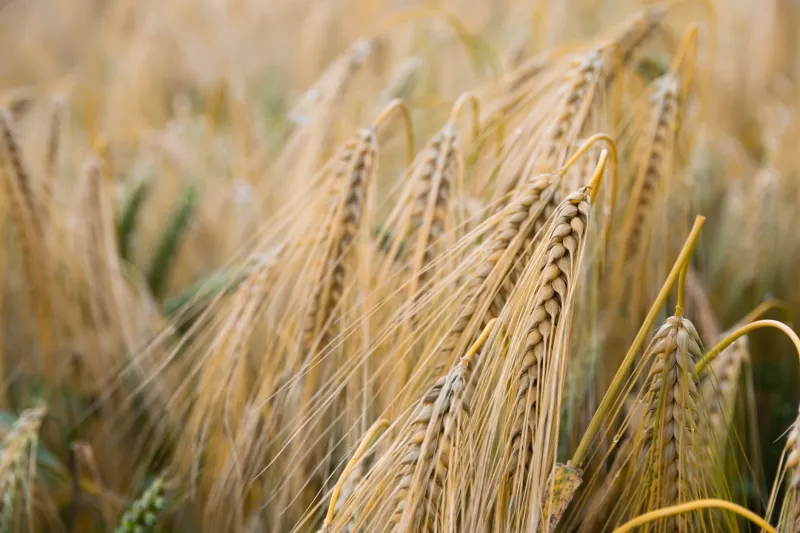
What they do have is flavor. Real, complex, sometimes nutty, sometimes grassy, occasionally almost sweet flavor that you can actually taste in finished bread, pasta, or pancakes. Varieties like Red Fife, a 19th-century Canadian wheat that's found a passionate following in the American Pacific Northwest; Einkorn, one of the oldest cultivated wheats on earth; Bloody Butcher corn, a striking deep-red dent corn grown in Appalachia for centuries; and Sonora wheat, a soft white variety brought to the American Southwest by Spanish missionaries — these grains carry history in their husks, and small producers are betting that home cooks are ready to taste it.
The Milling Matters as Much as the Grain
Here's something the commodity flour industry doesn't advertise: a significant portion of wheat's nutritional value — the bran, the germ, the oils, the fiber — gets removed during modern roller milling, partly for shelf life reasons (those oils go rancid), and partly because stripped white flour is what bakers have come to expect. Stone milling changes that equation.
When grain passes between two slowly turning stone wheels, the heat stays low and the whole kernel stays largely intact. The resulting flour contains more of the grain's natural oils, more fiber, more minerals, and more of the flavor compounds that make heritage varieties worth growing in the first place. It also behaves differently in the kitchen — stone-ground whole wheat absorbs liquid differently, ferments more actively with sourdough starters, and produces bread with a depth that's hard to explain until you've tasted it side by side with the supermarket alternative.
Producers like Barton Springs Mill in Texas, Grist & Toll in California, and Maine Grains in the Northeast have built their entire identities around this combination: sourcing from specific heritage grain farmers, milling slowly, and getting the flour to customers while it's still genuinely fresh. Some ship in temperature-controlled packaging. Most recommend you store their flour in the freezer if you're not baking through it quickly.
The Farmer-Miller Partnership
What makes this movement especially interesting is that it's not just about milling technique — it's about the relationship between the person growing the grain and the person grinding it. Heritage varieties require farmers willing to accept lower yields and more unpredictability. In return, craft millers pay premium prices and often work directly with growers on which varieties make sense for their soil and climate.
In the Palouse region of Washington and Idaho, farmers are reviving hard red spring wheats that thrive in the region's volcanic soil. In the Hudson Valley, small farms are trialing ancient emmer and spelt varieties that haven't been common in American kitchens for generations. In the South, a handful of dedicated growers are keeping heritage cornmeal traditions alive — the kind of stone-ground grits and cornmeal that bear almost no resemblance to the stuff in the yellow box.
These are small operations, often fragile, and deeply dependent on consumers who are willing to pay more and think a little differently about what flour should cost. But the momentum is real.
Digestion, Nutrition, and the Gluten Question
A word on something that comes up constantly in conversations about heritage grains: gluten. Many people who've struggled with conventional wheat report tolerating heritage varieties — particularly einkorn and emmer — much better. The science here is still evolving, but there are legitimate structural differences in the gluten proteins of ancient wheats compared to modern high-yield varieties. Slower fermentation (long sourdough processes) also breaks down some of the compounds that can cause digestive discomfort.
None of this makes heritage grains a medical treatment for celiac disease or serious gluten intolerance. But for the large number of people who've simply found modern wheat hard to digest, it's worth experimenting with.
How to Start Cooking with Heritage Grains
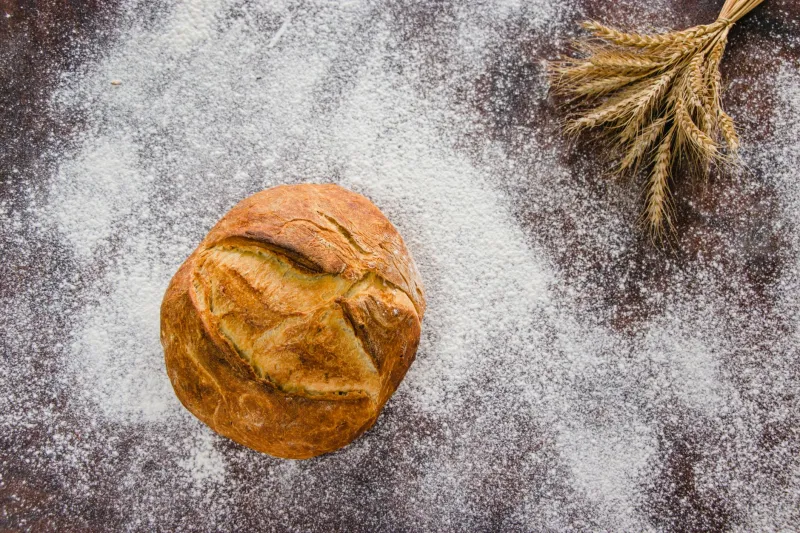
The honest answer is: slowly, and with some patience. Stone-ground whole grain flours absorb more liquid than refined flour, ferment more actively, and can produce denser results if you just swap them one-for-one into existing recipes. Start by replacing 25-30% of the all-purpose flour in your regular bread recipe with a heritage whole wheat. Get a feel for how the dough behaves. Then push the percentage up.
For whole grain cooking — berries, groats, farro, polenta — heritage grains are more forgiving. A pot of Bloody Butcher polenta simmered low and slow with good butter is one of those dishes that makes you wonder why you ever settled for anything else. Einkorn cooked like farro and tossed with roasted vegetables and a sharp vinaigrette is deeply satisfying in a way that feels both ancient and completely current.
Most of the small mills selling direct-to-consumer include recipe guidance and grain notes on their websites. Take them seriously. These producers know their flour better than any cookbook written before their product existed.
Where to Find It
Beyond the mills mentioned above, keep an eye out at your local farmers market — more grain farmers are selling direct, and some bring freshly milled flour to their tables. Specialty grocery stores in most major cities now carry at least a few heritage grain flours. Online ordering from small mills is genuinely worth it; the shipping cost is real, but so is the difference in what ends up on your table.
This is pantry building in the truest sense — finding producers whose work you trust, learning their products, and cooking with them until they become second nature. The grains have been waiting a long time for this moment. They're worth getting to know.