Shelf Magic: How American Artisans Are Transforming Vegetables into Powerhouse Pantry Staples
The farmers market haul is one of life's great pleasures — until Monday rolls around and you're staring at a crisper drawer full of things that peaked on Saturday. Heirloom tomatoes going soft. A paper bag of wild mushrooms you meant to use on Sunday. Garlic scapes you bought on impulse. What if the best version of those ingredients didn't have to disappear when the weekend did?
A growing group of American small producers has built entire businesses around exactly that question. They're taking peak-season vegetables and applying serious technical skill — slow dehydration, cold-smoking, long reduction, careful fermentation — to create shelf-stable products that don't just preserve flavor. They concentrate it, transform it, and sometimes produce something that tastes more intensely like the original ingredient than the fresh version ever could.
The Mushroom Powder Moment
If there's one product that's become the gateway drug for this category, it's dried mushroom powder. Not the coarse, gritty stuff that's been sitting in specialty food stores for decades — something more refined and intentional. Small producers working with foraged and cultivated specialty mushrooms are grinding dried porcini, shiitake, lion's mane, and maitake into silky powders that dissolve invisibly into sauces, braises, and even butter.
The flavor impact is hard to overstate. A teaspoon of high-quality dried porcini powder stirred into a pan sauce or a pot of risotto adds a deep, savory earthiness that would take hours to develop otherwise. It's not a shortcut so much as a different kind of ingredient — one that carries the concentrated essence of something that took months to grow.
Producers like Foraged & Found in the Pacific Northwest and various small mycological farms across Appalachia and the upper Midwest are doing this work with real care, sourcing mushrooms with the same intentionality that a good winemaker brings to fruit selection. The species matters. The drying temperature matters. The grind size matters.
Smoked Garlic: The Condiment You Didn't Know You Were Missing
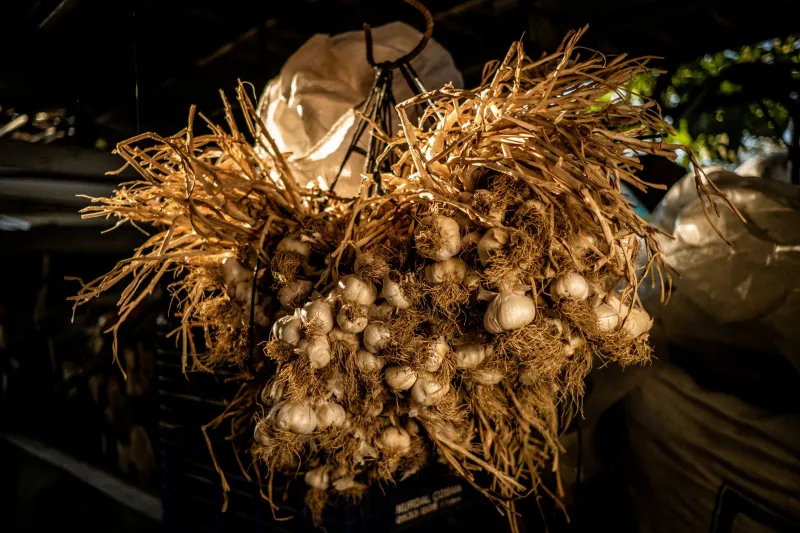
Smoke and garlic have always been friends — but the craft producers working in this space are pushing that relationship somewhere genuinely new. Cold-smoked garlic, where whole heads or peeled cloves are exposed to low-temperature smoke for extended periods, develops a complexity that's hard to categorize. It's still garlic, but rounder, more mysterious, with a woody undertone that plays beautifully against rich or fatty dishes.
Some producers smoke-dry the garlic and grind it into powder. Others preserve smoked cloves in oil. A few are making smoked garlic pastes that are ready to spread directly onto bread or stir into dressings. The technique varies, but the philosophy is consistent: start with exceptional garlic (often heirloom varieties grown by small farms), treat the smoking process as a craft, and let the result speak for itself.
The same logic applies to smoked onions, smoked peppers, and smoked chiles — a whole category of shelf-stable smoked alliums and nightshades that can anchor a sauce in seconds.
Concentrated Tomato: Beyond the Tube
Anyone who's cooked seriously with Italian double-concentrated tomato paste knows that quality matters enormously in this category. American producers are now making their own version of that argument, and some are taking it even further — slow-cooking heirloom tomato varieties down to thick, jammy concentrates that bear almost no resemblance to the industrial stuff.
The difference starts with the tomato. When you're working with Brandywines, San Marzanos grown in American volcanic soil, or Cherokee Purples from a single farm in Virginia, you're starting with more sugar, more acid, more complexity. Slow reduction — often done in wide, shallow pans over low heat for many hours — drives off water while preserving volatile aromatics that high-heat processing destroys.
The result is a concentrate that tastes like the platonic ideal of a tomato: sweet, acidic, rich, and almost meaty. A tablespoon stirred into a vinaigrette. A spoonful added to braised short ribs. Spread thin on pizza dough before the cheese. This is a pantry ingredient that earns its shelf space many times over.
Fermented and Dried Peppers: Complexity in a Jar
The hot sauce world gets plenty of attention, but the producers working with dried and fermented peppers in non-sauce formats are doing something equally interesting. Dried chile flakes from single-origin American pepper farms — grown in New Mexico, California, and increasingly the Southeast — offer a specificity of flavor that generic red pepper flakes can't touch. Urfa-style peppers dried and flaked by American producers carry that characteristic raisin-and-chocolate depth. Smoked and dried jalapeño powders from small Texas producers hit differently than any chipotle you've encountered before.
Fermented pepper pastes — think American-made versions of gochujang or harissa, built from regional chile varieties — are another emerging category worth tracking. They bring heat, yes, but also funk, sweetness, and a layered quality that comes from time and microbial activity rather than just spice.
Roasted and Dried Allium Powders
This might sound unglamorous, but bear with us. The difference between commodity onion powder and a small-batch roasted onion powder made from caramelized Walla Walla sweets or Vidalia onions is the difference between a flavor hint and a flavor punch. Some producers are taking the extra step of slow-roasting before drying, which drives Maillard reaction flavors deep into the vegetable before it's ever ground.
The same applies to shallot powders, roasted leek powders, and even dried chive products from small herb farms. These are unglamorous ingredients that do enormous work in spice rubs, compound butters, dressings, and grain dishes.
How to Build This Pantry
Start with two or three anchor products and learn them well before expanding. A good mushroom powder and a high-quality tomato concentrate will change your weeknight cooking immediately. Add a smoked garlic product when you find one you trust. Then explore the dried pepper world slowly — there's a lot of variation and it's worth taking your time.
Farmers markets are an underrated source for this category; many producers who sell fresh vegetables at market also sell dried and preserved versions of the same crops. Online specialty food retailers carry an increasingly strong selection. And increasingly, independent grocery stores in food-forward cities are dedicating shelf space to these kinds of artisan shelf-stable products.
The underlying idea is simple: great vegetables, transformed with skill and patience, last longer and often taste better than the fresh versions you'd scramble to use before they turn. That's not a compromise. That's a pantry philosophy.