The Fat That Got Left Behind: Why Lard, Tallow, and Duck Fat Are Back in Serious Kitchens
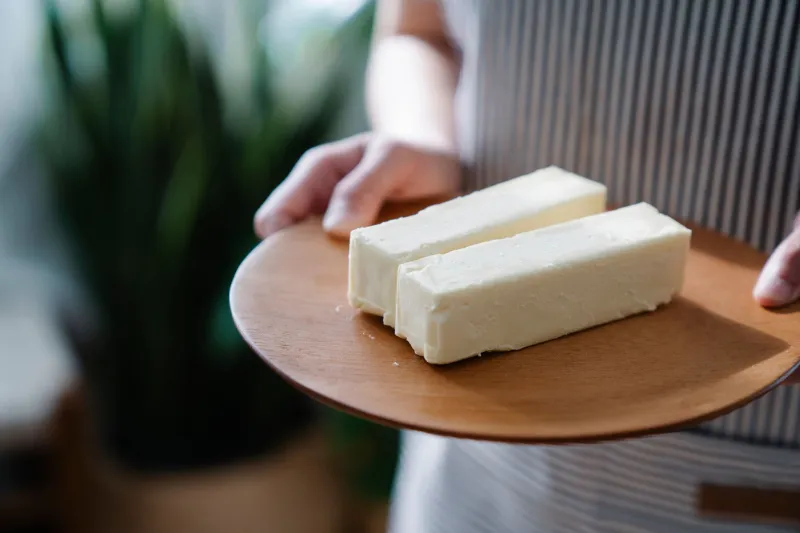
Your great-grandmother probably kept a coffee can of bacon drippings next to the stove. It wasn't a wellness choice or a culinary statement — it was just how you cooked. You saved the fat, you used the fat, and the food tasted good. Somewhere in the mid-twentieth century, that logic got buried under a wave of margarine marketing and low-fat dogma, and the coffee can disappeared.
It's coming back. Not as nostalgia, exactly, but as something more intentional — and a lot more interesting.
Across the country, small-scale producers are rendering heritage cooking fats the old way: from pasture-raised pigs, grass-fed cattle, and heritage-breed ducks, using slow, careful methods that preserve flavor and nutritional integrity. The result is a category of pantry fat that serious home cooks are quietly going wild for, and that deserves a spot on your counter right next to the olive oil.
What Went Wrong (and Why It Wasn't the Fat's Fault)
The story of how lard got demonized is, at this point, fairly well-documented. The short version: Procter & Gamble needed to sell Crisco, a newly invented hydrogenated vegetable shortening, and lard was the competition. A well-funded campaign reframed animal fats as dangerous and industrial seed oils as modern and clean. Decades of cherry-picked nutrition research followed, and by the 1980s, the average American home cook had switched to vegetable oil almost entirely.
The irony is that the hydrogenated fats promoted as healthier alternatives turned out to be far more problematic — trans fats, as we now know, are genuinely harmful in ways that naturally rendered lard simply isn't. Meanwhile, lard from pasture-raised pigs is actually a decent source of monounsaturated fat and vitamin D. Grass-fed beef tallow contains conjugated linoleic acid. Duck fat has a fatty acid profile that nutritionists increasingly view as favorable.
None of that is a reason to pour duck fat on everything you eat. But it's a reason to stop treating these fats as relics of a less enlightened era.
What Artisan Producers Are Actually Making
The most important distinction in this space is sourcing. Commodity lard — the stuff in the white tub at most grocery stores — is typically hydrogenated to extend shelf life, which changes both its composition and its flavor. It's fine for some applications, but it's a different product from what small-scale producers are making.
Artisan-rendered lard starts with pasture-raised heritage-breed pigs — Berkshire, Mangalitsa, and Red Wattle are breeds that come up often. The leaf lard, rendered from fat around the kidneys, is particularly prized for baking: it has a neutral flavor and an extraordinarily flaky texture that makes pie crusts that will genuinely change how you feel about pie. Back fat renders into something with a bit more character, better suited for sautéing and frying.
Producers like Epic Provisions (now widely distributed but still committed to sourcing from regenerative farms), Fatworks, and a growing number of regional butcher-run operations are making lard, tallow, and schmaltz (rendered chicken fat) that come with full sourcing transparency. Some farmers market vendors render their own — if you're buying from a heritage pork producer, it's worth asking.
Duck fat occupies a slightly different niche. It has a mild, savory richness that's almost universally beloved, and a smoke point high enough to handle serious searing. Hudson Valley Foie Gras in New York produces duck fat as a byproduct of their operation. Plenty of smaller duck farms across the country do the same, and it's worth tracking down a local source if you can.
Beef tallow from grass-fed cattle is having its own moment, partly driven by interest in ancestral diets but also because it genuinely performs well in the pan. It has a higher smoke point than butter and a savory depth that makes roasted vegetables and seared meats taste more like themselves.
How to Cook With Them
Once you have these fats in your kitchen, the question becomes what to do with them — and the answer is mostly: whatever you'd do with any other cooking fat, but better.
Leaf lard in pie dough is the canonical entry point, and for good reason. The flakiness is real, not a myth. If you've been struggling with tough or greasy crusts, this is worth trying before you blame your technique.
Duck fat potatoes are another convert-maker. Toss par-cooked potato chunks in melted duck fat, season aggressively, and roast at high heat. The exterior gets shattery-crisp in a way that olive oil just can't replicate. This is the method used in French bistros for a reason.
Tallow is exceptional for high-heat cooking — searing steaks, frying eggs in a cast iron, roasting root vegetables. It has a beefier flavor than neutral oils, which tends to complement rather than compete with savory dishes.
Schmaltz, rendered chicken fat, is the great underrated one. Jewish cooking has always known this. Schmear it on toast, use it to sauté onions for matzo ball soup, or just keep a jar in the fridge and reach for it whenever you want a little more depth.
Finding Them and Storing Them
Your best bet for quality is a farmers market, a butcher who sources from heritage farms, or a reputable online retailer. Look for products that specify breed, farming practice, and rendering method. "Pasture-raised" and "no hydrogenation" are the two phrases to prioritize.
Storage is simple. Rendered animal fats keep well in the refrigerator for several weeks and in the freezer for months. They're not fragile. A wide-mouth mason jar works perfectly.
The price point can feel steep compared to a jug of vegetable oil, but the comparison isn't quite right. A jar of well-sourced lard or tallow is a specialty ingredient in the same category as good cultured butter or finishing olive oil. You use it thoughtfully, in places where it makes a real difference — and it does make a real difference.
Your great-grandmother didn't keep that coffee can by the stove because she was lucky. She kept it there because she knew what good fat could do.