Origin or Nothing: The Coffee Roasters Who Let the Bean Do the Talking
There's a coffee roaster in Asheville, North Carolina who will politely but firmly tell you he has no interest in your caramel macchiato. Not because he's a snob — though he's heard the accusation — but because the Ethiopian Yirgacheffe sitting in his sample roaster that morning is already doing something that tastes faintly of jasmine and stone fruit, and he'd rather you just taste that.
He's not alone. Across the country, a growing community of independent roasters is pushing back against the trend-chasing, flavor-infused, celebrity-collab side of the specialty coffee industry. Their pitch is simpler and, honestly, harder to pull off: buy exceptional beans, build real relationships with the farmers who grow them, roast with restraint, and let geography do the rest.
If you've been treating coffee as a pantry afterthought — something you grab in bulk and brew on autopilot — these roasters are about to change that.
What Single-Origin Actually Means (and Why It Matters)
The phrase gets tossed around a lot, but single-origin coffee has a specific meaning that goes beyond marketing. It refers to coffee sourced from one identifiable place — a country, a specific region, or even a single farm or cooperative. The stricter the sourcing, the more you can actually taste where the coffee came from.
Terrain, altitude, soil composition, rainfall, and the variety of coffee plant all shape flavor in ways that are genuinely distinct. A washed coffee from Huila, Colombia tends to carry a clean brightness and red fruit character. A natural-process coffee from Sidama, Ethiopia might be funky, wine-forward, almost jammy. Neither of those qualities happens by accident — and neither survives a heavy-handed roast.
That's the philosophical core of what these roasters are doing. They're not trying to impose flavor on the bean. They're trying to reveal it.
Direct Trade: The Sourcing Philosophy That Changes Everything
For the most committed roasters in this space, sourcing is where the real work happens — long before any coffee hits a drum roaster.
Direct trade, unlike the certified Fair Trade label, isn't a regulated term. But in practice, it means roasters who travel to origin, visit farms, cup alongside producers, and negotiate prices that often far exceed commodity market rates. They're buying relationships as much as they're buying coffee.
Counter Culture Coffee, based in Durham, North Carolina, has been doing this for decades and publishes annual transparency reports showing exactly what they paid for each coffee. It's a level of supply chain honesty that most food producers — let alone commodity coffee companies — would never attempt. Smaller roasters like Onyx Coffee Lab in Arkansas and Equator Coffees in California operate with similar commitments, and the results show up in the cup.
When a roaster has visited the farm, met the farmer's family, and paid a premium that makes the relationship worth continuing, they're not going to torch that coffee with a dark roast. They've got too much invested — financially and personally — to obscure what they paid for.
The Roast Profile Debate
Ask a single-origin purist about dark roast and you'll get an earful. Not because dark roast is inherently wrong, but because it tends to homogenize. Push any coffee far enough into second crack and you start tasting the roast itself — that familiar char, that bittersweetness — rather than the origin.
These roasters tend to work in light-to-medium territory, which means higher acidity, more complexity, and a flavor profile that actually shifts as your cup cools. That last part surprises a lot of people. Commodity coffee tastes like hot coffee and then like cold coffee. A well-sourced, lightly roasted Ethiopian or Guatemalan coffee can taste like something entirely different at 130 degrees than it did at 180.
That's not a bug. That's the whole point.
Roasters like George Howell Coffee in Massachusetts have built reputations on this approach, with Howell himself being one of the foundational figures in American specialty coffee. His roasts are pale enough to make a Dunkin' devotee nervous, but the flavor clarity is extraordinary.
Why Serious Home Cooks Are Paying Attention
Here's the thing about this corner of the coffee world: it maps almost perfectly onto how thoughtful home cooks already think about ingredients.
You already know that the provenance of your olive oil matters. You understand that an aged cheddar from a small Vermont creamery is a different product — categorically — from the stuff in the green can. You've started buying heirloom tomatoes because they taste like something. Why would your morning coffee be any different?
Specialty roasters are increasingly being stocked alongside artisan pantry goods for exactly this reason. When you frame a $22 bag of single-origin coffee against a $28 jar of small-batch hot honey, the math starts to make sense. You're paying for transparency, craft, and flavor — the same things you're paying for everywhere else in your kitchen.
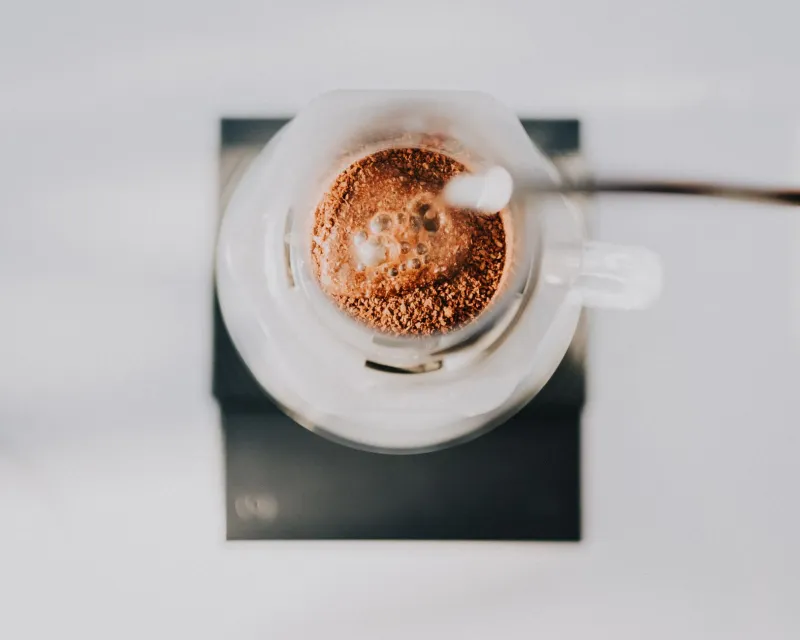
Brewing method matters too, and these roasters will tell you so. A pour-over or a French press gives you a cleaner window into origin character than a standard drip machine. An AeroPress is forgiving and fast. Whatever your preference, the roasters themselves are usually willing to talk through it — many have customer service lines and tasting notes that read less like ad copy and more like actual guidance.
Where to Start
If you're new to this world, a few entry points are worth knowing. Subscription services from roasters like Onyx, Counter Culture, and Intelligentsia (Chicago-born, now national) let you receive single-origin coffees as they come into season — because yes, coffee has a harvest season, and freshness matters more than most people realize.
Look for roasters who publish sourcing information on their bags: farm name, region, processing method, and harvest year. That level of transparency is a good sign. Vague descriptors like "South American blend" are not.
And if you're at a farmers market and you spot a local roaster with a pour-over setup? Stop. Ask what they're excited about right now. That conversation might be the most interesting thing you do all weekend.
The coffee is already doing something remarkable. These roasters just want you to notice.